
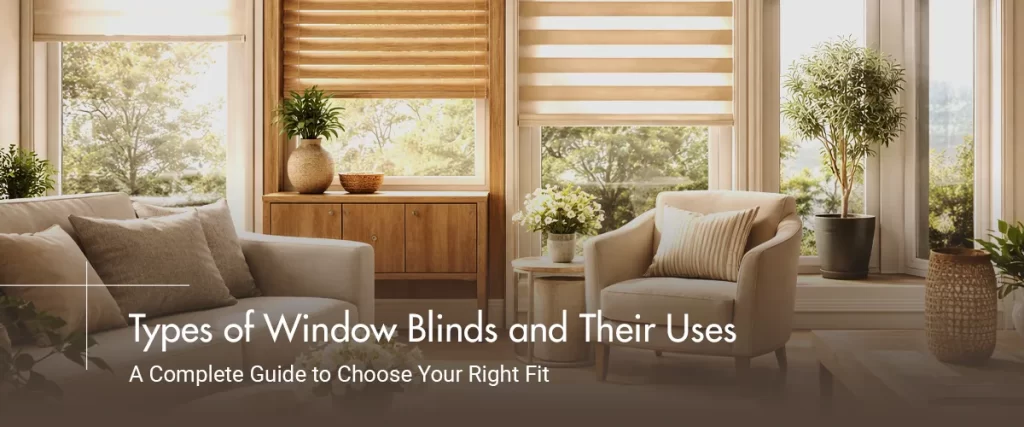
Light shapes how a space breathes. A window becomes the point where privacy and openness meet. At Sketch Art, a blind isn’t just a fixture. It is an intentional choice that supports your daily rhythm, from the light of dawn to the calm of dusk.
To help you choose with confidence, we’ve created this guide to window blinds types, what they do best, and where they belong in your space: naturally, warmly and seamlessly.
Window blinds are systems where material and mechanism work together, shaping form, movement, and function. The blind family is quite diverse; from rollers to slatted, vertical to foldable, each moves differently and feels different in a room.
Window blinds materials range from warm wood and soft textiles to sleek aluminium and durable vinyl. Material defines character and longevity. These materials respond uniquely to daily use and environmental conditions. Operating styles such as tilting, lifting, stacking, or folding provide intuitive control and effortless interaction. The combination of material, form, and movement gives each blind its identity and purpose within a space.
Roller window blinds use a single, streamlined mechanism. The fabric you choose defines performance, privacy, and how the light lands in the room. Because the system is minimal, the material becomes the design. It shapes softness, enables control, and creates visual presence.
Roller window blinds are low maintenance; they control visuals and maintain symmetry. While being motorisation-friendly, they are also easy to use, making them a refined, versatile choice for modern interiors.
Venetian blinds use horizontal slats that tilt smoothly, giving you precise control throughout the day. Their linear rhythm enhances the architectural feel of the space while staying flexible for use. Wooden Venetian blinds add warmth and natural texture, and work beautifully in living rooms and studies. Aluminium and faux-wood options are more moisture-resistant, making them practical for offices, kitchens, and high-use spaces.
Venetian blinds feel timeless because of their clean, linear, layered form. Subtle adjustments alter the room’s feel quickly. The slats add visual depth and gentle insulation. The result is a composed, aesthetic yet functional system that works across versatile interior selections.
Triple shade blinds feature fabric vanes suspended between two sheer layers, allowing a blend of rolling and tilting movement. This layered construction softens incoming daylight while offering refined control. Standard variants create a gentle, diffused glow, while light-dimming options provide enhanced privacy and comfort as light conditions shift.
The design intent behind triple shade blinds is elegant versatility. The softness of sheer fabrics pairs seamlessly with the precision of adjustable vanes, creating a balanced system that adapts naturally through the day. Well suited to bedrooms and living areas, they support changing daylight and privacy needs with quiet sophistication and ease.
Cellular honeycomb blinds use a honeycomb structure that traps air in discreet pockets. This helps moderate temperature and gently filter light. Light-filtering options create an even glow. Blackout and day–night versions add adaptable control as privacy needs shift.
Cellular window blinds prioritise comfort quietly. Their minimal look recedes into the window line while supporting thermal comfort and a softer acoustic feel. Ideal for bedrooms, home offices, and climate-sensitive spaces, they create a space that is comfortable through the day.
All-weather blinds are designed to withstand open and semi-open areas while still matching the visual language of the interiors. Roller Blinds and Sun Screen blinds variants soften glare and reduce heat, so daylight stays comfortable and usable. Zip and guided systems add stability and enclosure, so the blind stays smooth even with shifting wind and weather. The Fabric is chosen for resilience, with finishes that stand the test of time.
The intent is continuity between indoors and outdoors. They extend comfort beyond the wall, so balconies, patios, and verandahs feel like true living spaces.
Their clean finish preserves architectural clarity while offering protection, shade, and ease. The result is an outdoor space that feels composed, functional, and integrated.
At Sketch Art, every blind is customised with attention to the elements that matter in daily living:
This ensures every blind feels intentional, cohesive, and made for the way the space is lived in.
Here is a simple way to translate intent into a blind choice that holds up over time:
Motorised and smart window blinds bring ease and precision to daily life:
These features turn blinds and curtains into responsive parts of the home. The experience feels calmer, safer, and more effortless.
Each blind shapes light, privacy, and the character of a room. The right choice brings comfort, focus, and calm throughout the day.
The right choice considers climate, window orientation, and how the space is used.
At Sketch Art, we help you choose blinds that stay beautiful and perform well over time. Intentional choices make daily living easier. If you want help choosing for your home or commercial space, you can contact us with design-led guidance, crucial technical and material knowledge, with a focus on performance that stands the test of time.
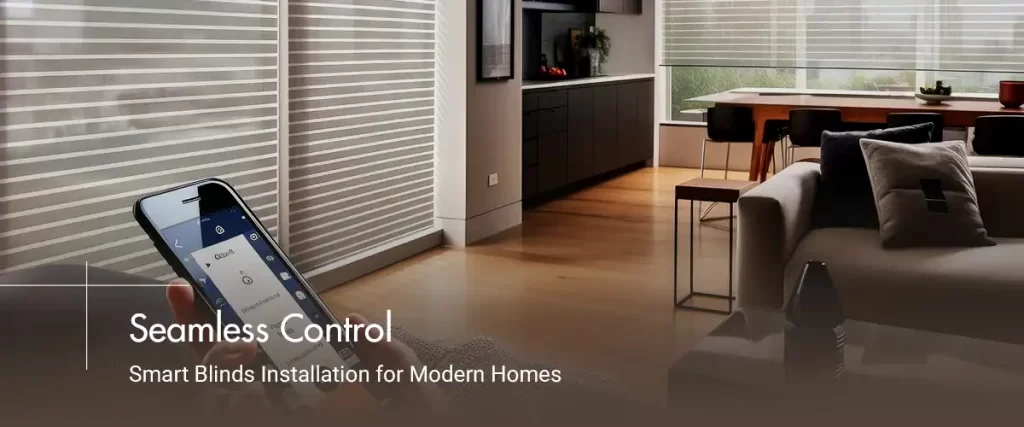
Light enters a space quietly. A soft amber glow against the glass. It settles across the floor and warms the grain beneath. As the day shifts, this light changes in intensity and direction. What feels gentle in the morning can become sharp by afternoon, altering how the room is experienced.
Modern living requires a delicate balance between openness and seclusion. Motorised blinds provide a seamless solution for this environmental shift. They allow you to soften the impact of harsh rays without losing out on the real view. It is this marriage of smart control and intuitive design that allows a space to remain composed. This guide explores how automated shading systems can elevate the experience of modern interiors.
The engineering behind a motorised system is defined by what you do not see. It involves a sophisticated network of quiet movements and responsive interfaces. These elements work together to create an atmosphere of effortless ease.
Check our window blinds that combine quiet engineering with intelligent automation.
Light changes gradually, but its effect on a space is immediate. A soft glow can turn sharp, shifting both comfort and clarity within the room. Motorised blinds are not merely functional tools; they are instruments of comfort. By automating the movement of light, you can create a balanced and harmonious environment in your home.
Check our all-weather blinds that are engineered to withstand strong sunlight.
Beyond the ease of use, motorisation allows you to focus on the pure design element by prioritising architectural clarity. With automated systems, you also get access to a cleaner silhouette.
Read this blog to know about the different types of window blinds Sketch Art offers.
The beauty of a motorised blind is found in its precise installation. When a blind hangs exactly parallel to the window frame, it creates a sense of order. Achieving this requires a proper understanding of the architectural space. Precision installation of motorised blinds provides the ideal bridge between a product and finished design.
Light settles into a space before anything else is noticed. It moves across surfaces, shaping depth, tone, and the overall feel of the room. Through automation, designers can shape the mood of a space to meet your precise rhythm, allowing for a dynamic interaction between the architecture and the inhabitants.
Light defines how a space is experienced. From the softness of morning to the intensity of midday, its movement shapes comfort and clarity. Motorised blinds allow this light to be adjusted with precision. The space remains balanced, with each transition feeling measured and unobtrusive. At Sketch Art, systems are designed to align with how spaces are used and lived in. The result is an environment that feels composed, responsive, and quietly integrated into daily life. Contact us to explore how an intentional move can bring a lasting sense of composure to your space.
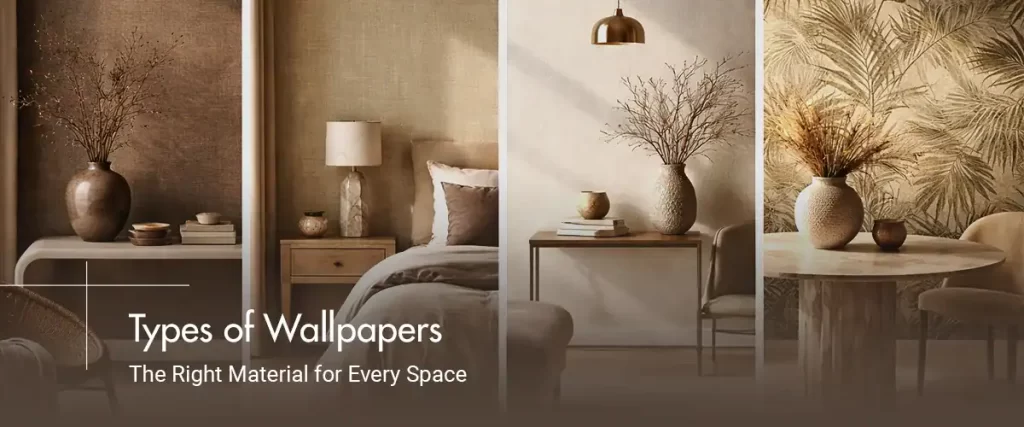
Wallpapers are not simply applied; they are experienced. They shape the way light rests on a surface, how a room feels at different hours, and how quietly a space holds you through everyday moments. A wall becomes more than a backdrop; it becomes a tactile presence, subtle yet intentional.
Material choice defines this experience. It influences comfort, longevity, and the atmosphere a space carries over time. When chosen with care, wallpaper brings together texture, artistry, and performance, creating interiors that feel effortless and composed.
Wallpapers are engineered surface solutions where material and design work together to shape how a space feels and functions. Beyond pattern and colour, their composition determines texture, durability, and the way light settles across a wall. A surface is not just seen; it is experienced over time.
Understanding wallpaper begins with two layers. The first is material: what the wallpaper is made of. Vinyl, fabric-backed, and non-woven materials each respond differently to climate, touch, and daily use. The second is design expression—how the surface presents itself through texture, print, or dimensional depth.
When these layers align with purpose, walls feel effortless and considered. Thoughtful curation unites craftsmanship, material integrity, and refined finishes. Each wallpaper integrates seamlessly into the rhythm of a space and ages with quiet grace.
Every space carries an intention, and material is what translates that intent into lived experience. A bedroom calls for softness and calm. A kitchen needs resilience and ease. A workspace benefits from clarity and balance.
Material affects how light settles, how surfaces respond to touch, and how well they adapt to climate and daily use. Texture adds warmth, durability supports longevity, and breathability and finish influence comfort. These qualities matter as much as visual appeal.
When material is chosen thoughtfully, walls feel natural, elevated, and quietly supportive. The result is a space that performs beautifully while remaining timeless and balanced.
Wallpapers can be understood through their material, each offering unique qualities and applications:
Vinyl-backed wallpaper is chosen for spaces where durability and longevity matter. Designed for high-use environments, it performs consistently across hospitality, commercial, and active living spaces. Its surface withstands moisture, frequent cleaning, and daily wear with ease. Beyond performance, refined finishes and subtle textures add clarity and restraint.
Craftsmanship remains central, even within a practical material. When selected thoughtfully, it delivers a polished presence that integrates seamlessly into demanding spaces.
Fabric-backed wallpapers bring the softness of natural textiles to interior surfaces. Linen, silk, cotton, and velvet add tactile depth and visual warmth. Light is absorbed gently, creating calm, intimate spaces. Best suited for low-traffic areas, these wallpapers excel in environments where design is unhurried. Professional installation allows the material to settle beautifully. With mindful care, they age gracefully, reflecting a clear and lasting aesthetic intent.
Non-woven wallpapers balance structure with ease. Their stable, breathable composition creates smooth, composed surfaces. Installation is clean and considered, supporting spaces that evolve over time. Ideal for contemporary homes and flexible commercial interiors, they maintain a crisp appearance through daily use. This material choice feels intelligent and current, offering quiet confidence while allowing design ideas to move freely.
Self-print wallpapers express design through pattern rather than material alone. The same motif can be applied across different surfaces, allowing visual language to remain consistent while performance adapts to the space. Repetition creates rhythm and guides the eye with calm continuity. These wallpapers work well in interiors that seek balance and immersion. When used thoughtfully, self-print designs bring coherence to rooms, connecting walls into a unified experience that feels serene and intentional.
Depth, dimension, and tactile presence come alive in textured wallpapers. Their surfaces interact with light throughout the day, creating subtle shifts of shadow and movement. The wall becomes expressive and experiential. Craft-led installation ensures precision and alignment with the design intent. Used most often as feature walls, these wallpapers add richness to hospitality spaces, lounges, and contemplative interiors. They add a sensory layer that feels curated, artistic, and quietly powerful.
Accent wallpapers define focal points and guide attention through the space. Used selectively, they introduce emphasis and visual interest. A single wall, niche, or transition point becomes a considered design moment. These wallpapers support zoning and architectural storytelling by guiding movement and attention. When placed with intent, they elevate primary surfaces and bring clarity to the interior. Accent wallpapers work best as thoughtful interruptions that are measured, expressive, and precise.
Choosing wallpaper thoughtfully begins with considering key aspects of the space and design intent:
Surface selection is a considered design decision. Each collection is shaped by intent, performance, and aesthetic presence. Materials are chosen for how they look, feel, and endure within a space. The range reflects a broad design perspective, grounded in quality and integrity. Thoughtful curation brings clarity to choice, guiding designers and homeowners toward surfaces that align seamlessly with their vision.
Each wallpaper material carries a distinct design intention, shaping the look, feel, and rhythm of a space. Walls do more than enclose; they define how interiors function, how light and texture are experienced, and how spaces evolve over time. At Sketch Art, thoughtful curation ensures each choice aligns with purpose and aesthetic clarity. Explore our curated collections or book a consultation to discover how walls can transform your interiors. For personalised guidance, contact us and let us help bring your design vision to life with intention and craft.
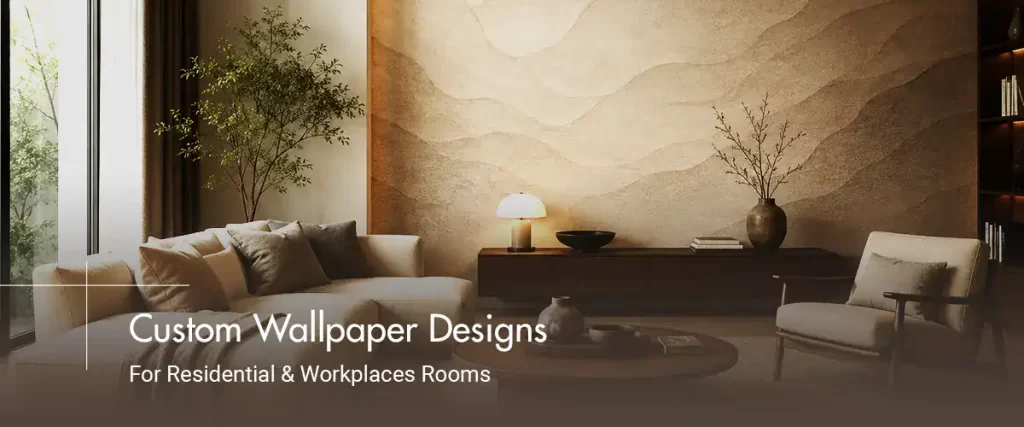
The subtle morning light reveals a quiet texture that often softens by evening. Selecting surfaces thoughtfully allows you to balance both visual depth and a sense of calm. Through customisation, you can create a cohesive system where no element feels isolated, focusing on adapting to your lifestyle rather than following a fixed set of rules.
At Sketch Art, we provide luxury interior surface solutions designed to align with the rhythm of your daily life. Be it customised wallpapers for office walls or living rooms, our solutions go beyond basic execution. When each surface is integrated with clear alignment and precise installation, you’ll witness a natural consistency emerging across your entire space. This article explores how custom wallpapers can beautifully balance high performance with quiet aesthetic expression.
Custom wallpaper designs require consideration in relation to the light, material and other architectural elements in your space. The interplay of finishes determines how a surface transforms throughout the day:
Elevate your space with our custom art interior solutions that showcase your unique individuality.
Light plays a key role in bringing out finer textures. A wallpaper design for your home should ideally make you feel grounded and comfortable, as it acts as a quiet anchor that supports stillness without making its presence feel too strong.
The power of an anchor lies in its stability. Instead of combining multiple elements, a single point of grounding can be focused upon, choosing tones that naturally melt into your existing colour palette.
Your bedroom should be a sanctuary that gently holds the transition between daily activity and deep rest. The use of custom wallpaper designs here helps to soften your space without commanding attention. The aim is to create a space that feels present but does not cause distraction.
The wallpapers for your office walls should foster a sense of psychological clarity and organisation, focusing on ease of movement that helps navigate different zones in your workplace. With the right wallpaper, you will be able to support a steady workflow and sustain comfort through long hours of intense visual focus.
A custom wallpaper is never a static visual element. You’ll likely notice subtle changes as you go through your day. Here are some factors that can help you choose wallpapers aligned with your space:
Discover how custom print wallpapers can transform your space with these creative ideas.
The design intent behind any custom wallpaper starts with understanding what human experience the space is meant to support. This could be rest, focus, or vibrant social interaction. Ultimately, it becomes less about surface aesthetics and more about spatial direction. By mastering soft transition, the intent can be easily shifted towards clarity and control. A clear hold on contrast can ensure that your interior remains visually consistent rather than reacting unpredictably to changing light. Scale management also allows your walls to have a natural balance and avoid visual tension. With proper design intent, your space feels organically integrated rather than merely decorated.
Custom print wallpapers are more than surface decor. They allow your space to feel visually balanced. Beyond generic application, they allow for multiple elements to come together in a unified composition. In residential spaces, these allow for a daily sense of comfort, while in office spaces, they lean towards structure and clarity. Factors such as light, material, finish, scale and design play a critical role in maintaining a strong visual presence. At Sketch Art, all our wallpapers are designed with this level of consideration. Rather than chasing loud self-expression, we believe in the quiet power of intentionally composed spaces. Contact us if you’re looking for custom-printed wallpapers that are part of a system that balances softness, order and visual harmony.
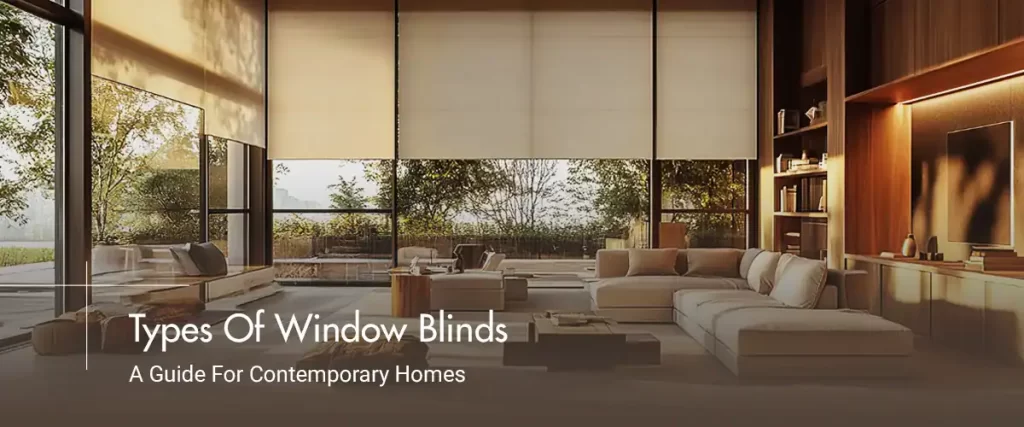
There is a quiet joy in the way morning light brushes against a textured wall. It moves with a soft, filtered glow that can instantly steady the mind and elevate the spirit. A window becomes the point where this light is shaped. It allows brightness, filters intensity, and frames the connection to the outside. Modern window blinds guide this interaction. They adjust how light enters, allowing the space to remain balanced and composed through the day. Choosing the right shading system requires an understanding of how light behaves within a space. This guide aims to explore five distinct types of window blinds designed for modern households.
Light enters each room differently. It shifts in intensity, direction, and purpose depending on how the space is used.
The selection of indoor window blinds begins with this behaviour. The system supports how light is filtered, softened, or blocked, shaping how the room feels through the day.
The feel of a smooth, continuous fabric is central to the appeal of the roller blind. It is a system defined by its clean lines and absence of any visual clutter. As it delivers a refined aesthetic, roller blinds have become a staple of modern window-blind design.
These feature a precise weave that filters the intensity of the sun. They allow a soft, dappled light to enter while preserving your view of the outside. Daylight remains present, but without glare, allowing the room to feel comfortable and visually open.
These are crafted from opaque materials with specialised coatings that block external light and add a cooling touch. The room becomes still and enclosed, supporting rest and focus without visual disturbance.
Zebra blinds allow for a fluid transition between privacy and openness by offering a rhythmic interplay of sheer and solid bands. They are an intuitive choice for spaces where the light requirements shift from morning to evening.
There is a distinct architectural quality to the horizontal lines of a Venetian blind. Horizontal slats introduce a linear rhythm to the window. Light can be directed with small adjustments, changing how it enters the room. Wood finishes bring warmth and texture. Aluminium finishes create a sharper, more defined appearance. The system allows precise control while maintaining a structured visual presence.
Triple shade blinds consist of delicate horizontal fabric vanes suspended between two layers of sheer mesh. This layered approach prevents the harsh shadows often associated with midday. The result is a refined and elegant appearance that complements soft furnishings.
Also known as honeycomb blinds, these systems feature a unique cellular geometry. This structure creates a natural thermal barrier that regulates the temperature of the room. Cellular blinds fit snugly within the window frame to provide a clean and integrated look. These are particularly effective in bedrooms where maintaining an even temperature is more conducive to your sleep.
Outdoor light is often more intense and direct. It carries heat, glare, and constant movement. All-weather blinds reduce this intensity while maintaining openness. The fabric filters sunlight and adds a layer of privacy, allowing outdoor spaces to feel more controlled and usable.
Selecting a blind begins with understanding this movement and how each space is meant to feel. It requires an understanding of how a fabric will interact with your walls. Here are the key considerations for a well-balanced home:
Light-filtering blinds create a pleasant and glowing atmosphere for social areas. They allow the space to feel open while softening the harshness of the exterior world. Blackout blinds, on the other hand, remove external light completely, creating a more enclosed and controlled environment.
Privacy changes with time and use. Some spaces require only a light visual barrier, while others benefit from complete seclusion. For instance, living rooms might only require the soft veil of a triple-shade blind to feel secure. Your bedroom, however, requires the complete seclusion of a custom window blind system.
The tactile quality of a fabric should harmonise with the surrounding finishes. Smooth textiles pair beautifully with neutral palettes and glass surfaces. These reflect a modern and polished aesthetic. Opt for textured fabrics to complement wooden and stone finishes.
Indoor window blinds focus on controlled light and privacy. These are designed for precise operation within a climate-controlled environment. For semi-outdoors, the materials used must be resilient against sunlight and moisture. These ensure that your balconies and terraces remain comfortable even in varying weather conditions.
In urban environments, the accumulation of dust is a practical concern for any homeowner. Venetian blinds involve horizontal surfaces that may collect dust more readily and require regular cleaning for clarity. Roller blinds, on the other hand, offer a vertical and smooth surface that is inherently easier to maintain.
There are some additional factors you can consider while selecting your window blinds.
Each room responds to light in a different way. The choice of blinds should support how that space is used throughout the day. Selecting window blinds should be based on the unique behaviour of each room.
Your living room should benefit from more soft and filtered daylight. This will protect your furniture and artwork from the damaging effects of direct sunlight. Options like sunscreen roller blinds and triple-shade blinds are excellent choices. Zebra blinds also allow for a playful transition.
Creating a conducive environment is vital for a deep and restful sleep. Modern window blinds help create a space that supports rest and stillness. Blackout roller blinds and cellular blinds provide the ideal balance between the two.
Your kitchen is a busy area that demands materials capable of handling heat and moisture. Venetian blinds are a popular option due to their moisture-resistant properties and sleek finish. Choose between neutral or lightly textured fabrics to maintain a sense of aesthetic warmth.
Unlike indoor spaces, balconies require modern window blinds made from weather-resistant fabrics. These systems focus on reducing glare and providing privacy from the view outside. Both neutral and textured fabrics are some excellent options that allow you to enjoy the fresh air without compromising your sense of seclusion.
A window shapes how light enters a space. The choice of blinds defines how that light is experienced through the day. When selected with intention, blinds support comfort, privacy, and visual balance without interruption. At Sketch Art, each system is considered in relation to the space it belongs to. The result is a solution that feels composed, responsive, and seamlessly integrated into everyday living. Contact us to discover how our custom solutions can bring a sense of visual harmony to your modern home. Our team is here to guide you through every step of the process. Right from the first consultation to the final installation, we ensure your vision is realised with grace and quiet precision.
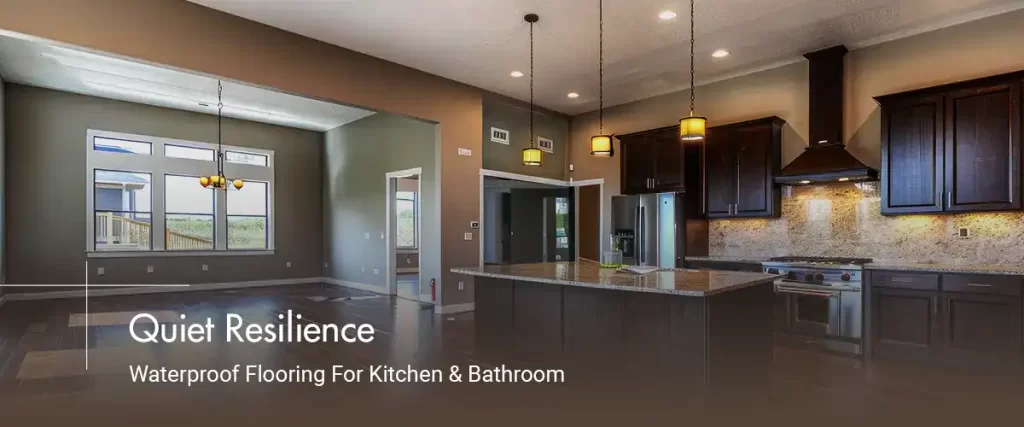
Moisture settles quietly into a space. A faint coolness underfoot. A soft sheen where light meets the surface. In kitchens and bathrooms, this interaction becomes constant. The floor must remain steady, unchanged in appearance, and consistent in how it responds. Waterproof flooring supports this continuity. It protects the structure beneath while maintaining a surface that feels composed and intact through daily use. This blog aims to explain how selecting the right flooring option can represent the quiet beauty of your home.
Water gathers in small, repeated moments. Near the sink. Along the edge of a shower. Beneath everyday movement. Over time, this begins to affect how a surface holds its form. Waterproof flooring for your kitchens and bathrooms allows moisture to remain at the surface, preserving the structure beneath and maintaining a consistent finish.
Explore our curated selection of premium flooring systems at Sketch Art.
Choosing water-resistant flooring doesn’t mean you have to compromise on the visual harmony of your space. Textures, patterns and even tones can be used to create a sense of calm and cohesion. Here’s how SPC and vinyl flooring can be used to balance visual elegance and practicality:
SPC flooring is a testament to how refined engineering can mirror the beauty of the natural world. It feels substantial underfoot, offering a sense of permanence that can easily ground a room. This is because stone polymer does not expand when the afternoon sun warms the kitchen or contract when the bathroom cools after a shower.
Discover the deeper technical nuances of SPC flooring here.
There is a particular softness to vinyl flooring that makes you want to linger, as the cushioned experience feels gentle on the body during long hours of movement. This material is perfect for those who value the sensory experience over the technical specifications.
As a homeowner you’ll need to manage practicality with aesthetics. These are some design ideas that combine both aesthetic sensibility and craftsmanship:
Choosing between SPC and vinyl flooring is a matter of prioritising specific aesthetic and practical considerations. Vinyl offers a cushioned, quiet response that invites you to linger, while SPC provides a grounded, structural firmness that mirrors the permanence of stone. The choice rests on the sensory atmosphere you wish to curate. Whether it is the soft resilience of vinyl or the cool weight of stone, the floor should feel intentional.
Even the most beautiful materials require a disciplined hand to reach their full potential. At Sketch Art, we believe that the installation is an extension of the design itself. A floor laid with precision will never creak or show gaps. It sits perfectly within the architecture, becoming a permanent part of the home’s story. Improper installation, on the other hand, comes with hidden complications. Our focus is on designing environments that are visually appealing and technically sound.
Selecting the right flooring is an act of curation. It requires balancing the practical needs of a household with the desire for a beautiful life. Waterproof flooring options like SPC and vinyl allow you to live without compromise. This is because they provide the resilience required for kitchens and bathrooms while still maintaining the right aesthetic appeal. In the end, your home should be a place for rest and inspiration. Contact us to explore how a well-chosen foundation can transform the daily rhythm of your home. Remember, resilience and elegance are not mutually exclusive; they are the hallmarks of a well-designed home.