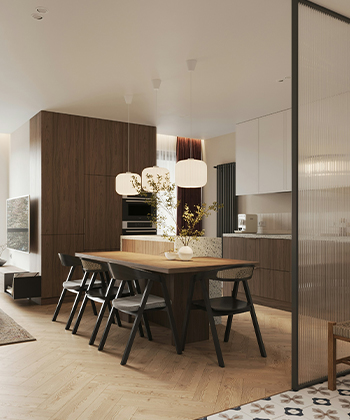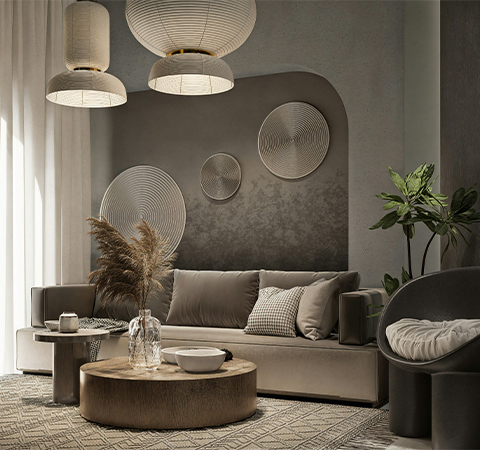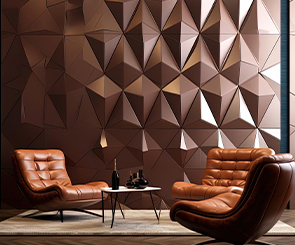
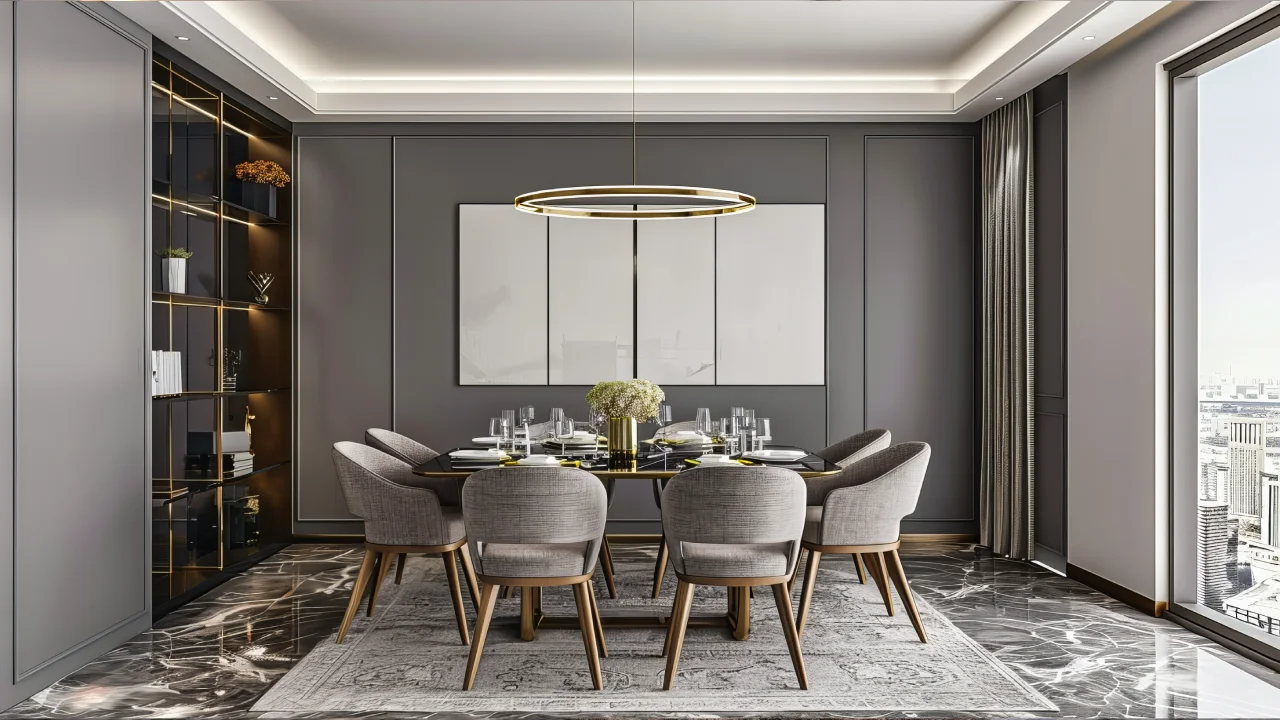
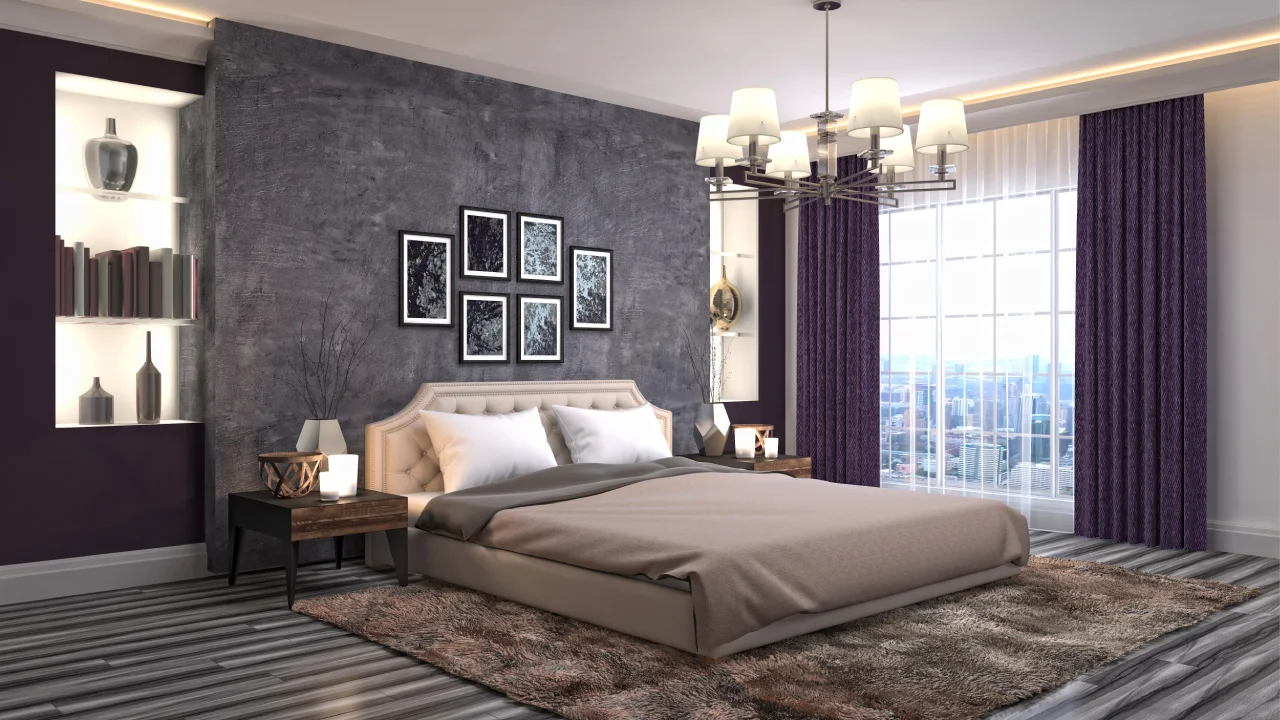
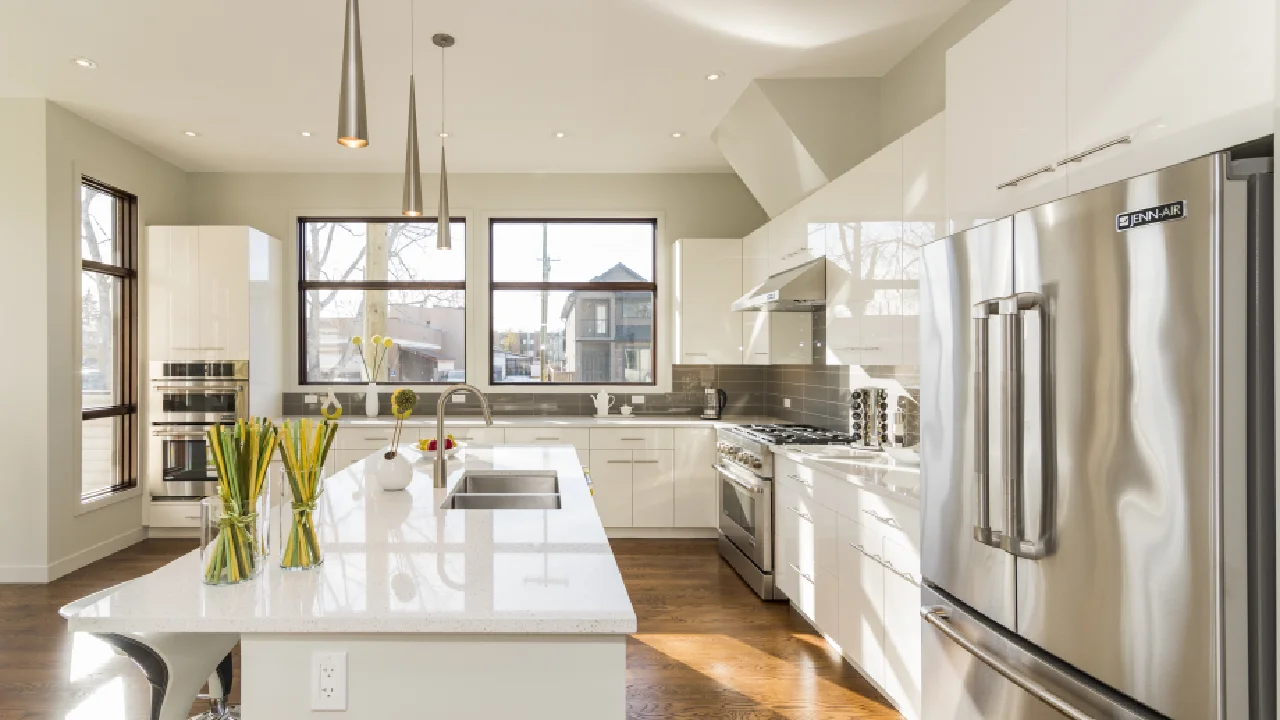
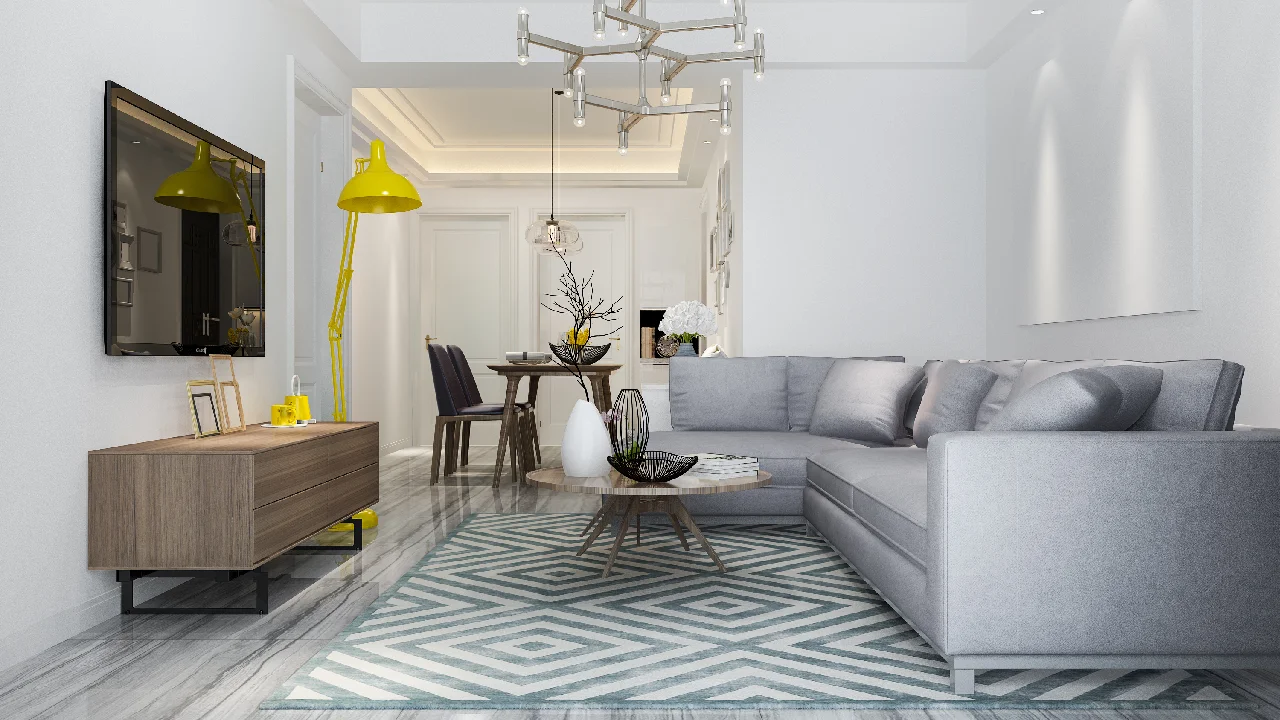
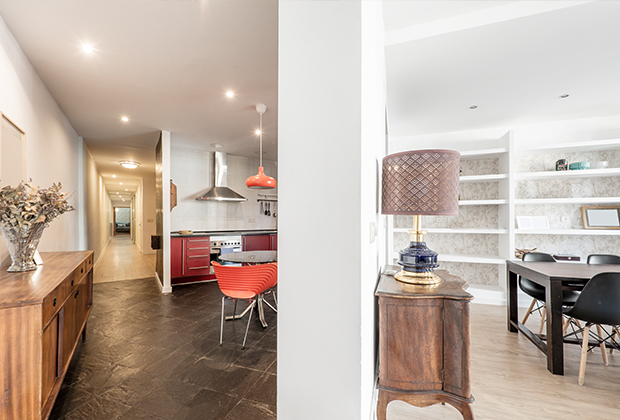
THE ART OF STUNNING INTERIOR DESIGN

Luxury Interior Surface Solutions

Crafting Interior Possibilities

Your Vision,
Our Craft,
Endless Design Possibilities

10

Years of experience

Wall Wallpaper
Wall Wallpaper

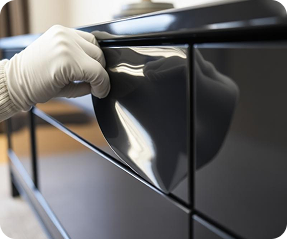
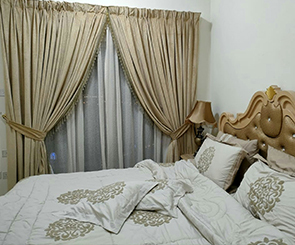
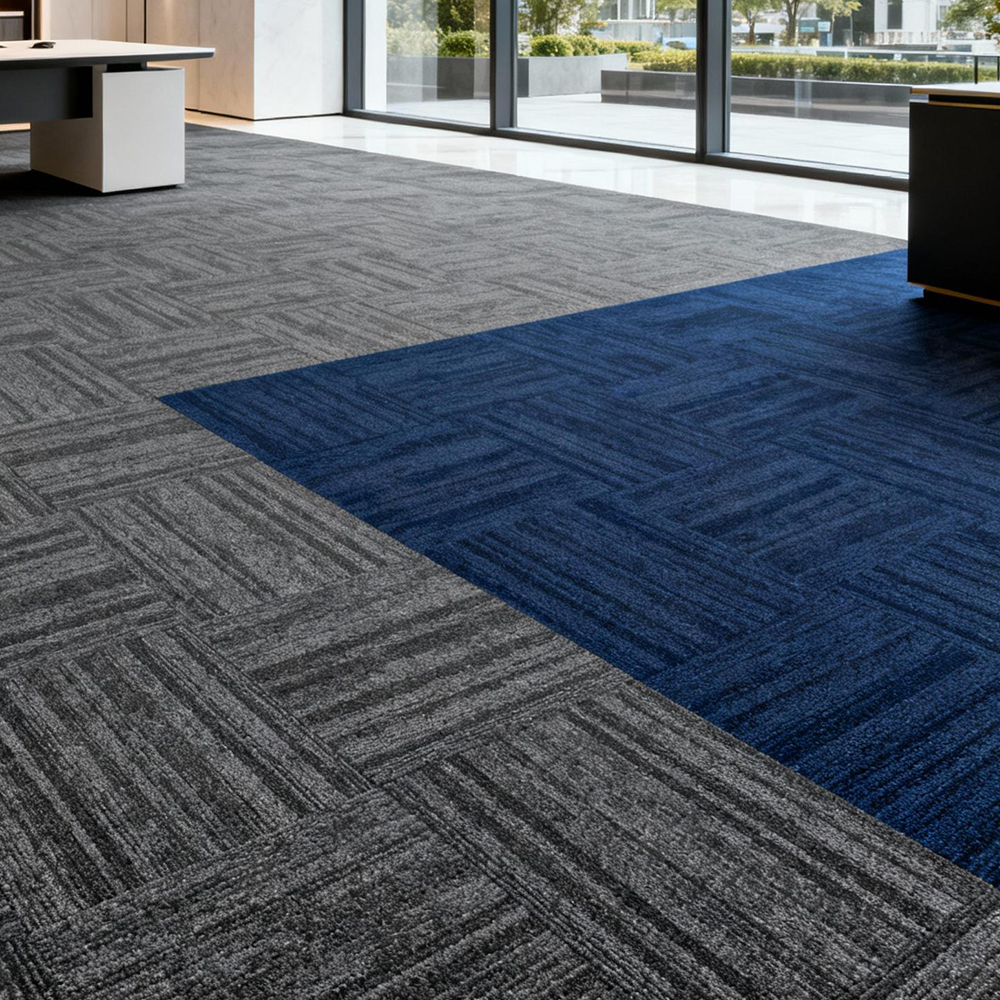
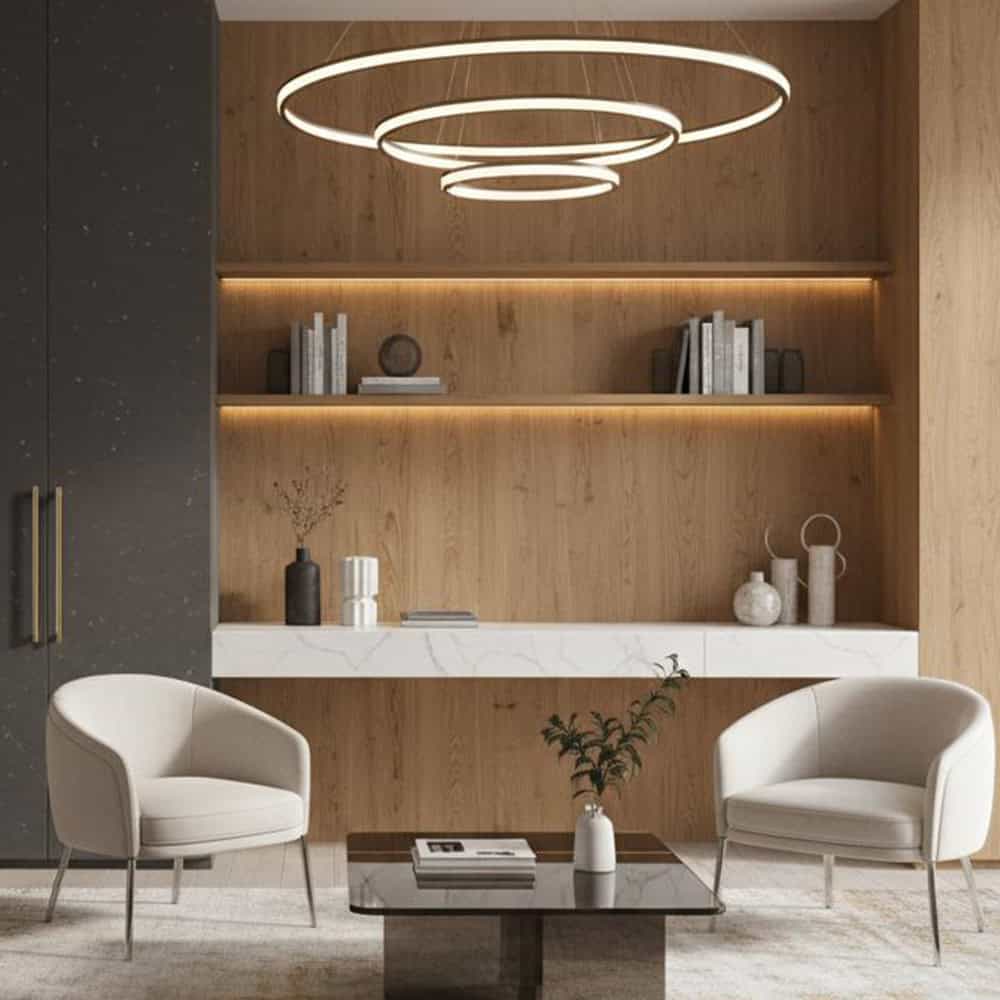
Exceptional interiors are shaped by every surface. At Sketch Art, we bring together Wall Wallpaper, Wall Coverings, Flooring, Interior Films, Carpet Tiles, and Textile and Upholstery to create cohesive spaces that are elegant, functional, and enduring. Thoughtfully curated and expertly crafted, every solution is designed to elevate modern living with timeless sophistication.

Our solutions

Our Categories

A complete stack of surface, structural and soft-furnishing solutions for every kind of space

Our Products

Explore our Portfolio

Explore a curated range of premium products designed to add depth, texture, and character to every space. Thoughtfully crafted for lasting beauty and seamless integration, each collection transforms everyday interiors into timeless design statements

For Every Space

Crafting Complete Interiors

Bringing together premium surface, structural and soft-furnishing solutions under one roof

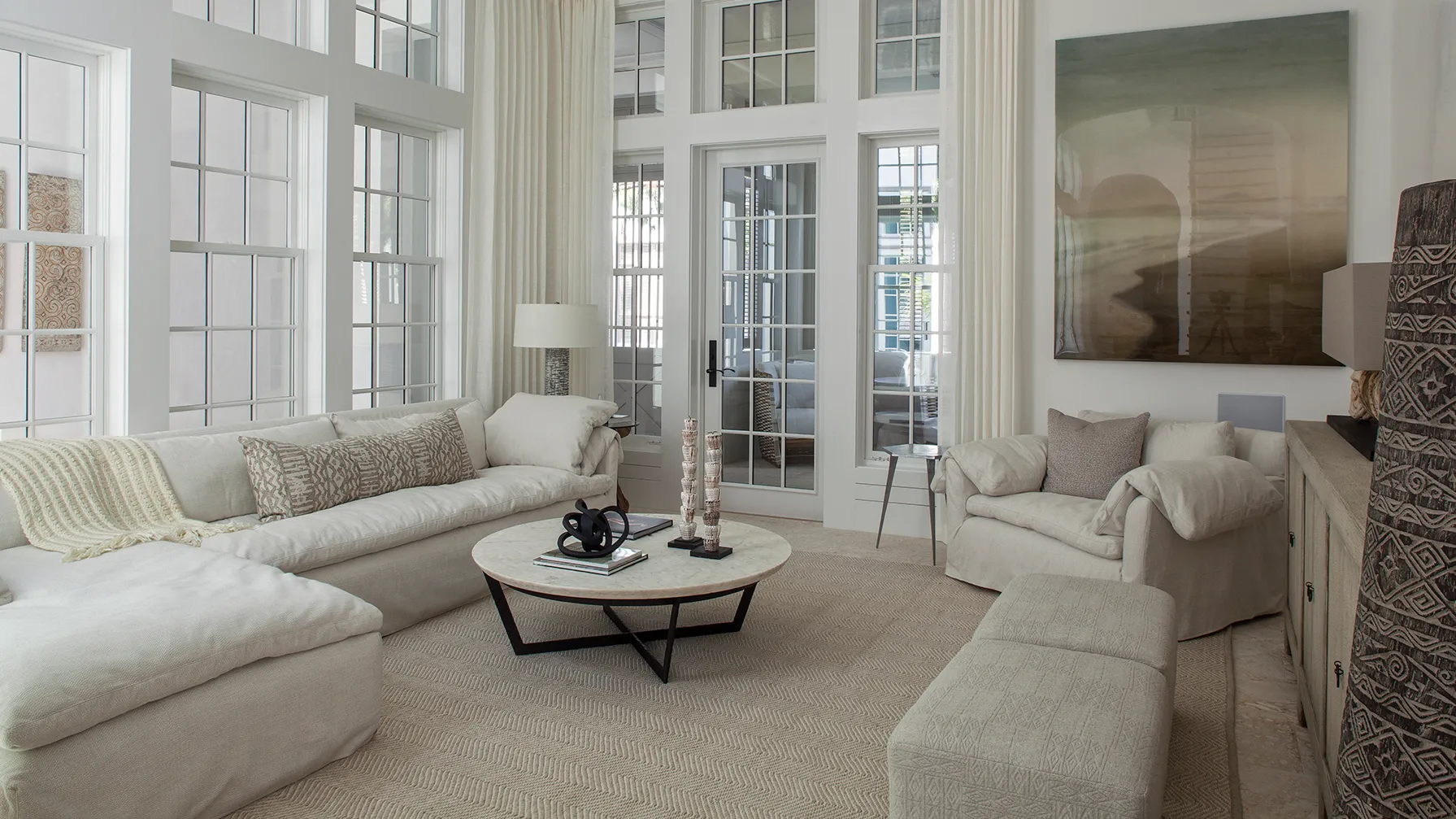
Home & Residential

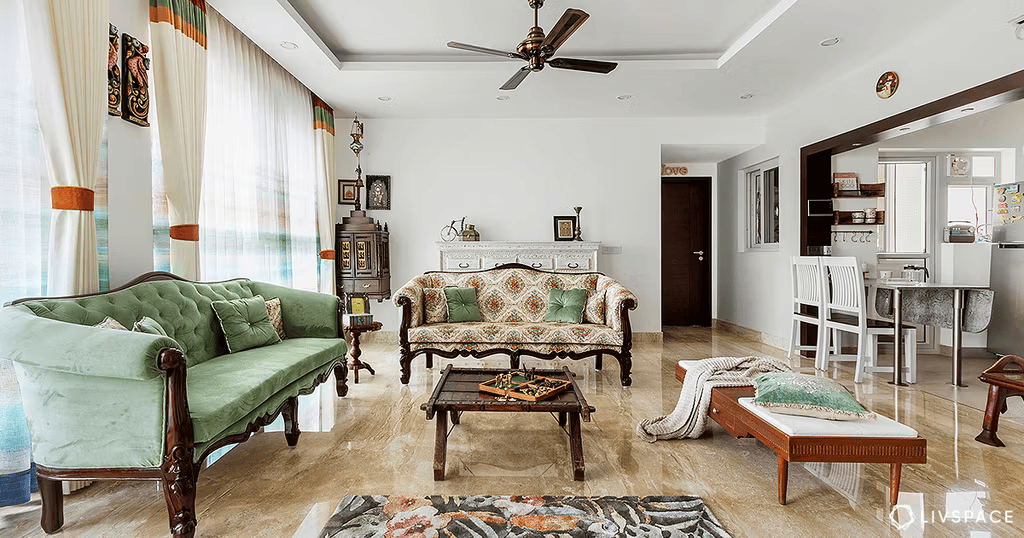
Apartments & Villa

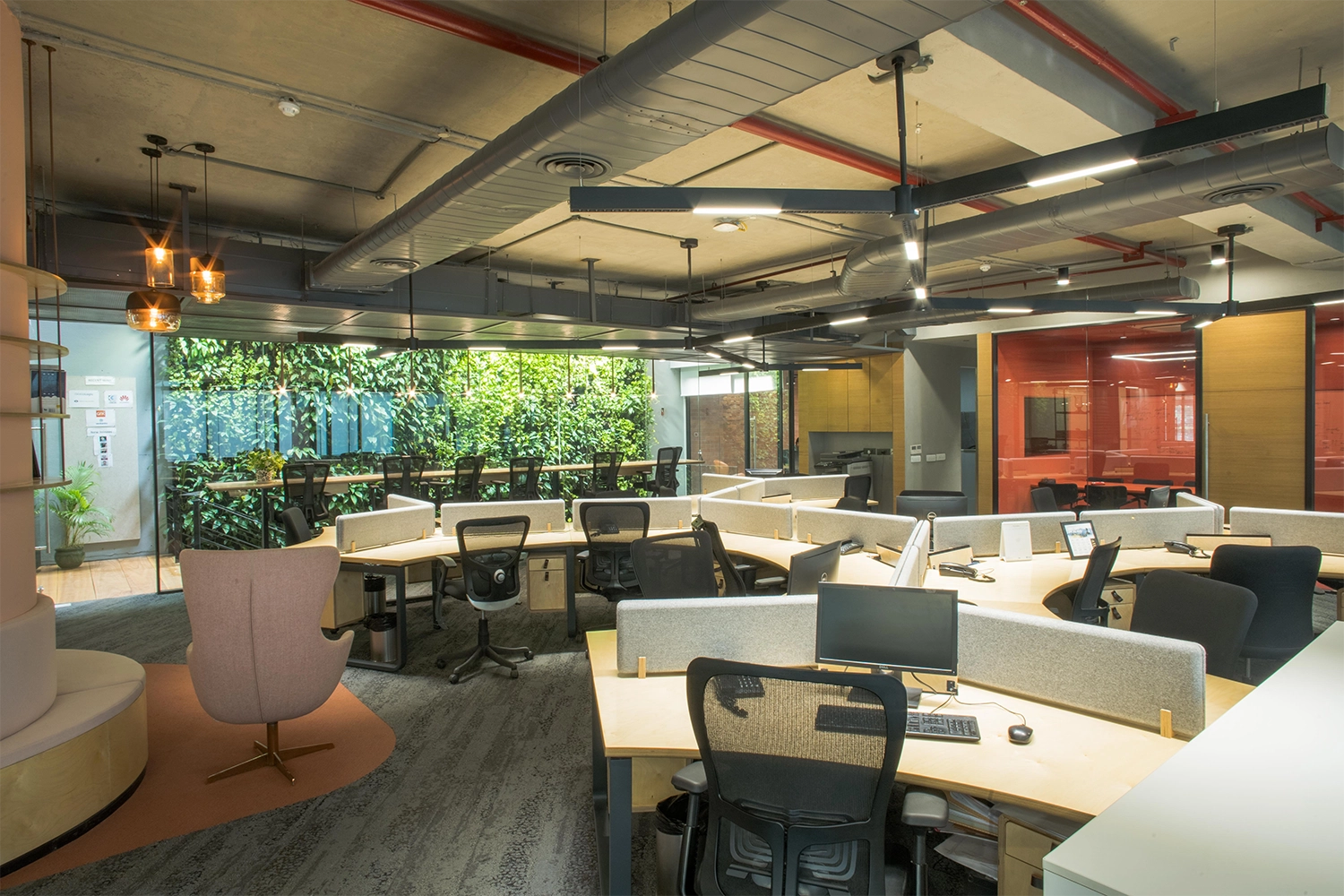
Corporate Offices

Retail Stores

Restaurants

Hotels

Hospitals

Educational Institutions

Why Choose Us

Designed to Inspire

From concept to completion, we bring together quality materials, innovative solutions and refined aesthetics for every space

Professional Installation

In-house trained installation teams

Customized Solutions

Every project tailored to your space

On-time Completion

Committed timelines, delivered

Free Site Visit

Complimentary on-site measurement

Our Offerings

Find the Perfect Fit

Discover curated collections of surface and finish designs, made to bring character, warmth and durability to every space

Our Process

From Idea to Handover

1

Consultation
Understand the brief and budget

2

Site Visit
Measure and assess the space

3

Material Selection
Explore premium
range

4

Quotation
Transparent, itemised pricing

5

Installation
Our own trained crew on site

6

Final Inspection
Every detail
checked

Benefits

Made for Real Homes & Working Spaces

Our materials aren’t just beautiful; they’re engineered to perform through daily life, spills, sunlight and heavy foot traffic

Material Guide

Know What You're Choosing

Wallpapers

Wallpapers

Wallpapers

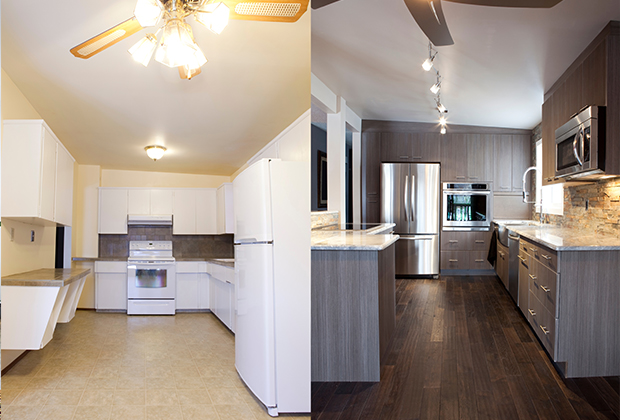
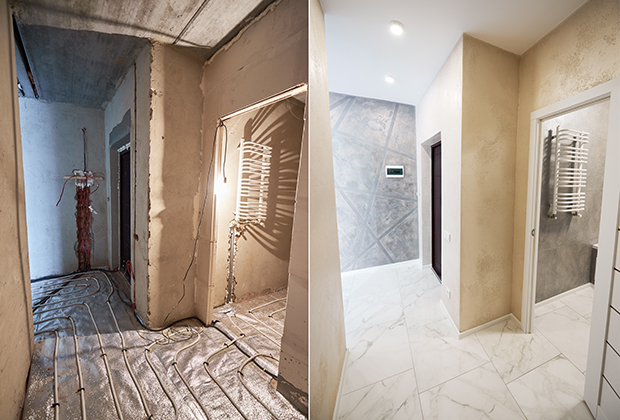
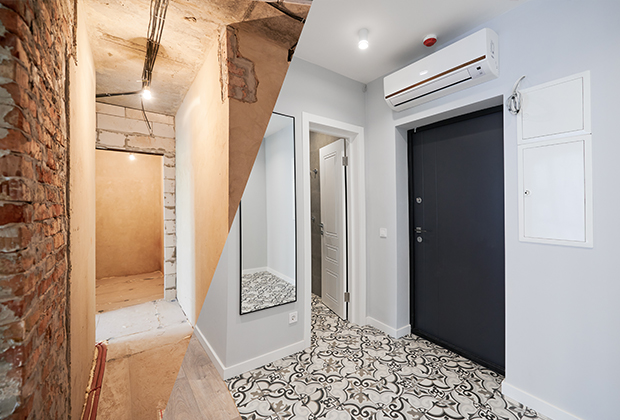
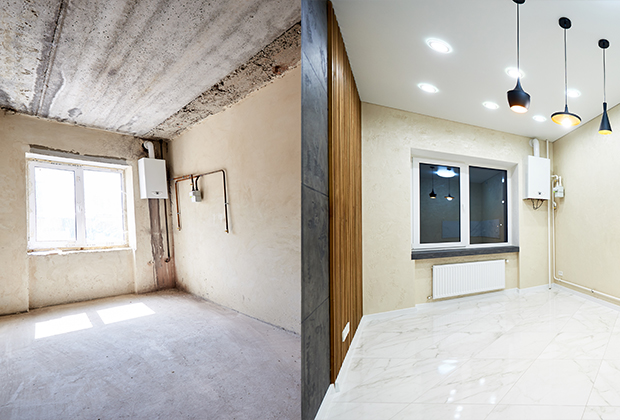
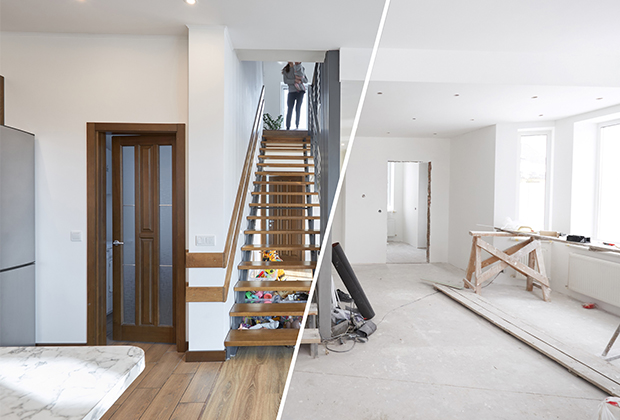
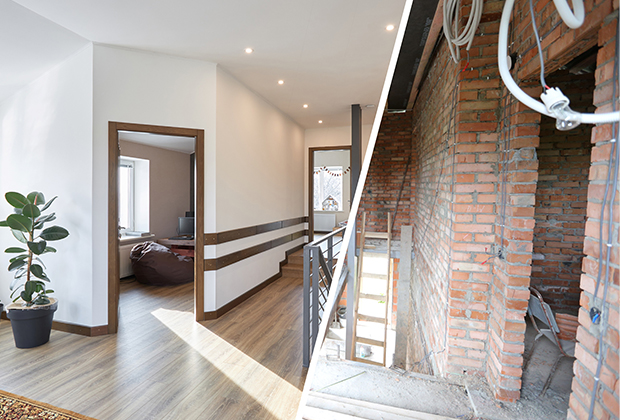
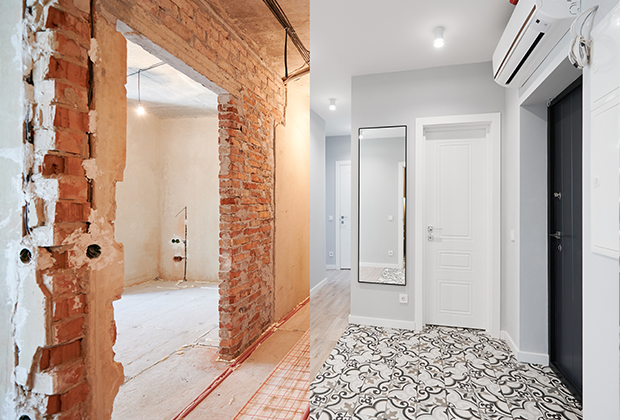
Before & After

Transformations We're Proud Of

A complete stack of surface, structural and soft-furnishing solutions for every kind of space

FAQS

Frequently Asked Questions

1. What are the benefits of premium wall coverings?
Premium wall coverings offer enhanced durability, easy maintenance, stylish finishes and a practical way to refresh residential and commercial interiors.

Interior films are decorative surface solutions that can transform walls, doors, furniture and other surfaces, providing a premium finish without major renovation.

Carpet tiles are durable, easy to install and simple to replace individually, making them an excellent choice for offices, retail spaces and commercial interiors.

Testimonial

Trusted by Clients Who Care

John Doe
John Doe
Home Owner, Gurgaon
Lorem ipsum dolor sit amet, consectetur adipiscing elit. Ut elit tellus, luctus nec ullamcorper mattis, pulvinar dapibus leo.
John Doe
John Doe
Home Owner, Gurgaon
Lorem ipsum dolor sit amet, consectetur adipiscing elit. Ut elit tellus, luctus nec ullamcorper mattis, pulvinar dapibus leo.
John Doe
John Doe
Home Owner, Gurgaon
Lorem ipsum dolor sit amet, consectetur adipiscing elit. Ut elit tellus, luctus nec ullamcorper mattis, pulvinar dapibus leo.
John Doe
John Doe
Home Owner, Gurgaon
Lorem ipsum dolor sit amet, consectetur adipiscing elit. Ut elit tellus, luctus nec ullamcorper mattis, pulvinar dapibus leo.
John Doe
John Doe
Home Owner, Gurgaon
Lorem ipsum dolor sit amet, consectetur adipiscing elit. Ut elit tellus, luctus nec ullamcorper mattis, pulvinar dapibus leo.
John Doe
John Doe
Home Owner, Gurgaon
Lorem ipsum dolor sit amet, consectetur adipiscing elit. Ut elit tellus, luctus nec ullamcorper mattis, pulvinar dapibus leo.

Latest Blogs

From Our Journal

Room Wallpaper

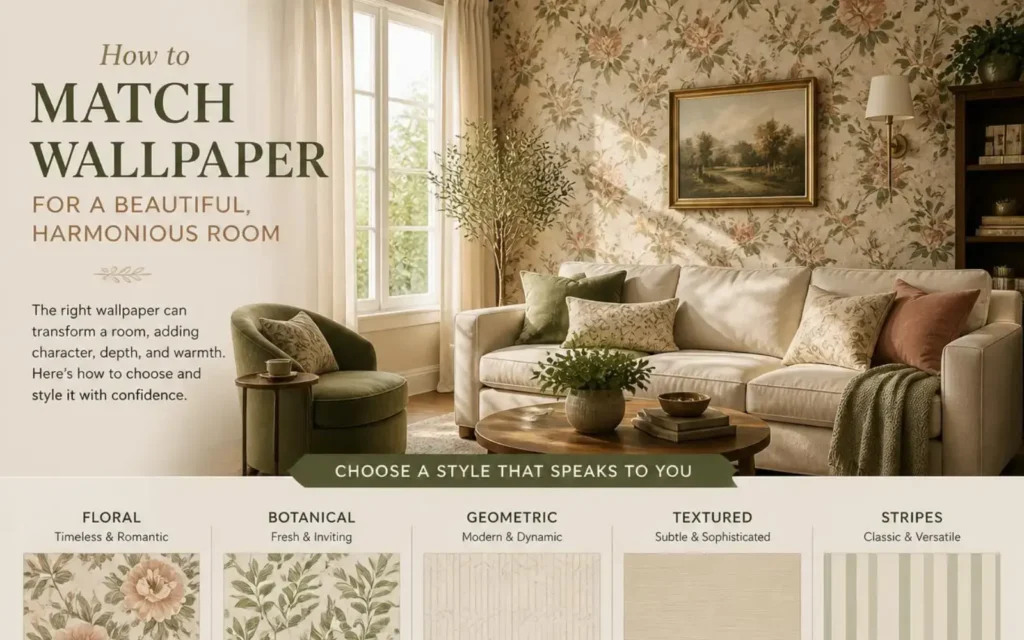
How to Match Room Wallpaper with Your Furniture and Curtains

Choosing the right room wallpaper can completely transform the appearance of your home. However, wallpaper does not work independently. Its colour, pattern and texture interact with your furniture, curtains, flooring, lighting and other decorative elements.

The goal is not to make every element look identical. Instead, a well-designed room should have a sense of visual connection and balance. Current interior-design guidance increasingly focuses on coordinating colours, textures and patterns rather than creating perfectly matched sets.

At Ezy Glide, we believe great interiors come from thoughtful coordination, not guesswork. Whether you are decorating a living room, bedroom, dining area or home office, the right combination of room wallpaper, furniture and curtains can create a sophisticated and comfortable environment.

Why Coordinating Room Wallpaper Matters More Than Individual Choices

It is advisable to avoid selecting wallpaper, furniture, and curtains independently based solely on individual appeal. Instead, it is important to consider the room as a cohesive entity, as it is perceived holistically rather than through isolated elements. Poor coordination can make a room feel:

  • Visually disorderly or “busy,” even if each item is beautiful on its own
  • Unbalanced, with one element overpowering the rest
  • Dated quickly, as clashing trends compete for attention

Getting the coordination right, on the other hand, creates a space that feels calm and intentional and is considered a hallmark of good interior design.

Step 1: Choose Your Primary Piece First

Before selecting room wallpaper, decide which element will “lead” the room’s design. This is usually the piece that’s hardest or most expensive to change.

If you already have furniture: Let your sofa, rug, or statement furniture piece guide your wallpaper and curtain choices.
If you’re starting from scratch: Wallpaper can act as the main focus, with furniture and curtains selected to complement it.

Having one clear anchor prevents the common mistake of every element competing for attention.

Step 2: Build a Cohesive Colour Palette

Colour coordination is the single most important factor in making wallpaper, furniture, and curtains feel like they belong together.

The 60-30-10 Rule

A simple, designer-favoured approach to balancing colour in a room:

Proportion Role Example
60% Dominant colour Wallpaper or wall colour
30% Secondary colour Furniture (sofa, curtains)
10% Accent colour Cushions, art, décor accessories

Using this ratio prevents any single colour from overwhelming the room while still creating visual interest.

Matching Undertones

Colours with mismatched undertones (warm vs. cool) can clash even if they seem similar at first glance.

  • Warm undertones: cream, beige, terracotta, mustard
  • Cool undertones: grey, blue-based whites, silver, icy pastels

Try to keep wallpaper, furniture, and curtains within the same undertone family for a naturally harmonious look.

Step 3: Balance Pattern and Texture

If your room wallpaper features a pattern, your furniture and curtains generally shouldn’t compete with equally busy patterns.

Wallpaper Style Furniture & Curtain Approach
Bold, large-scale pattern Solid or subtly textured furniture and curtains
Small-scale or subtle pattern Can be paired with light patterned textiles
Textured, plain wallpaper More freedom to introduce patterned curtains or furniture
Striped or geometric wallpaper Best paired with solid, softly textured fabrics to avoid visual clutter

A good rule of thumb: if the room wallpaper is the “loud” element in the room, let curtains and upholstery stay quieter and vice versa.

Step 4: How to Match Curtains with Room Wallpaper

Curtains are one of the largest fabric surfaces in a room, so they play a major role in tying wallpaper and furniture together.

  1. Select a colour directly from the wallpaper: Choosing a curtain shade that complements a secondary colour in the wallpaper pattern creates a natural connection.
  2. Use neutral curtains as a buffer: If both your wallpaper and furniture are patterned or bold, neutral curtains can help balance the room.
  3. Consider fabric weight and light: Sheer curtains let more wallpaper be visible, creating a lighter, more open appearance, while heavier curtains add contrast and grounding to the space.

Step 5: Don’t Forget Function Including Curtain Motor Options

While matching aesthetics is important, curtains also need to perform well in the space. This is where practical upgrades, like a curtain motor, become worth considering, especially in rooms with statement wallpaper you want to keep looking its best.

Benefits of pairing your curtain setup with a curtain motor include:

  • Consistent light management: Scheduled opening and closing helps protect wallpaper from prolonged direct sunlight, which can cause fading over time.
  • Convenience for large or heavy curtains: Rooms with tall windows or heavy drapery benefit from motorised, effortless operation.
  • Clean, cord-free aesthetics: A curtain motor removes visible cords, keeping the visual line of your curtains and the wallpaper behind them uncluttered.

If you’re investing in a beautifully coordinated room, protecting that investment with smart, functional curtain solutions is a natural next step.

Step 6: Test Before You Commit

Before finalising your wallpaper, furniture, and curtain choices, always test them together in the actual room.

  • Order wallpaper and fabric swatches rather than relying on screen colours alone
  • View swatches in both natural daylight and evening artificial light
  • Pin swatches to the wall alongside furniture fabric samples to see how they interact

Small samples can look different at full scale, so where possible, view larger swatches or sample boards before committing to full rolls or yardage.

Room Wallpaper

Common Mistakes to Avoid

  • Matching everything too literally: Identical colours across wallpaper, curtains, and furniture can feel flat rather than cohesive.
  • Ignoring undertones: Two “neutral” tones with different undertones can clash more than expected.
  • Overloading pattern: Combining bold wallpaper, patterned curtains, and patterned upholstery often overwhelms a room.
  • Forgetting scale: Large-pattern wallpaper in a small room (or vice versa) can throw off the room’s proportions.

Quick Reference Checklist

  • Anchor piece identified (wallpaper or furniture)
  • Colour palette follows a 60-30-10 balance
  • Undertones matched across wallpaper, furniture, and curtains
  • Pattern intensity balanced bold wallpaper paired with quieter textiles, or vice versa
  • Curtain colour and weight complement the wallpaper
  • Curtain motor considered for light protection and convenience
  • Swatches tested in-room under different lighting conditions

Final Thoughts

Matching room wallpaper with your furniture and curtains isn’t about finding an exact match, it’s about creating balance through colour, pattern, texture, and function. By choosing an anchor piece, coordinating undertones, and thoughtfully layering pattern and texture, you can create a room that feels cohesive and intentional rather than accidental.

At Sketch Art, we help you bring every element of your room together, from curtain fabrics to smart curtain motor solutions that protect your design investment and simplify everyday living. Explore our range to find the finishing touches your space deserves.

Curtain for Windows

Curtain for Windows: 10 Things to Consider Before Buying

Buying curtains for windows seems simple on the surface: pick a colour, order a size, hang them up. But curtains do far more than decorate a room. They control light, regulate temperature, provide privacy, and set the tone for your entire interior. Choosing the wrong ones can mean constant frustration. Curtains that fade too quickly, let in too much light, or don’t suit how you actually live.

At Ezy Glide, we’ve helped countless homeowners choose window treatments that look great and function even better. Before you buy your next set of curtains for your windows, consider these 10 essential factors.

Why the Right Curtain for Windows Matters

Curtains do far more than decorate a window. A well-chosen curtain for windows can:

● Regulate natural light and reduce glare
● Improve insulation and lower energy bills
● Add privacy without blocking airflow
● Tie together a room’s colour scheme and style
● Protect furniture and flooring from UV fading

Getting these benefits depends entirely on choosing the right combination of fabric, fit, and function, which is exactly what this guide covers.

1. Fabric Type and Weight

The fabric you choose determines how your curtains look, feel, and perform.

Fabric Best For Light Control
Cotton Casual, breathable spaces Light to medium filtering
Linen Relaxed, textured aesthetic Light filtering
Velvet Formal rooms, insulation Excellent blackout potential
Polyester blends Budget-friendly, durable Varies by weave
Sheer fabrics Layering, soft light diffusion Minimal privacy/light control

Heavier fabrics like velvet offer better insulation and light-blocking, while lighter fabrics like linen and cotton suit warmer climates or rooms where airflow and natural light matter more.

2. Light Control and Privacy Needs

Before buying, think about how each room is used:

● Bedrooms: Often benefit from blackout or heavily lined curtains for better sleep.
● Living rooms: Medium-weight fabrics that filter light while maintaining privacy in the evening.
● Kitchens and bathrooms: Lighter fabrics that allow natural light while offering modest privacy.

Layering sheer curtains with heavier drapes is a popular solution when a room needs flexible light control throughout the day.

3. Curtain Length and Style

The finished length dramatically changes how a room feels.

● Sill length: Practical, casual, good for kitchens and bathrooms.
● Apron length: Ends just below the sill, ideal near radiators or furniture.
● Floor length: Clean and modern, suited to living rooms and bedrooms.
● Puddle length: Adds a formal, dramatic touch to statement rooms.

As a general rule, floor-length curtains that just skim or slightly clear the floor create the most polished, elongated look.

4. Accurate Measurements

Even the most beautiful curtain for windows will look wrong if they don’t fit properly. Before purchasing:

● Measure the width of your curtain rod (not just the window frame)
● Multiply by 1.5–2x for proper fullness
● Measure the drop from the rod or ring to your desired finishing point
● Account for header style (rod pocket, eyelet, pleated) when calculating final drop

Getting these measurements right the first time avoids costly returns and reordering.

5. Colour and Pattern Coordination

Curtains play a major role in a room’s overall colour palette. When choosing colour and pattern:

● Neutral tones (white, beige, grey) offer flexibility and timeless appeal
● Bold colours or patterns can act as a statement piece but should complement existing decor
● Consider how the fabric colour will look with both natural daylight and artificial lighting at night

6. Lining Options

Curtain lining adds functional and aesthetic value that’s easy to overlook.

Lining Type Purpose
Blackout lining Blocks nearly all external light
Thermal lining Improves insulation, reduces energy costs
Standard lining Adds body, protects fabric from sun damage
Interlining Adds extra warmth and a luxurious drape

Lined curtains also tend to last longer, as the lining absorbs much of the sun exposure that would otherwise fade the outer fabric.

7. Maintenance and Cleaning Requirements

Different fabrics come with different care demands:

● Machine washable: Cotton, polyester blends are practical for busy households.
● Dry clean only: Velvet, silk are better for formal spaces with less frequent washing.
● Dust-prone fabrics: Heavier textures may require more regular vacuuming or airing.

Choosing a fabric that matches your realistic cleaning routine will keep your curtains looking fresh for longer.

8. Budget and Value

Curtains for windows range in price depending on fabric, size, and customisation. When budgeting, consider:

● Cost per panel vs. total cost for all windows in a room
● Whether ready-made curtains meet your needs or custom sizing is required
● Long-term value: higher-quality fabrics often last significantly longer

It’s often more cost-effective to invest in slightly higher-quality curtains than to replace cheaper ones every year or two.

9. Motorisation and Smart Functionality

One increasingly popular consideration is whether to upgrade to motorised curtains. A curtain motor allows you to open and close your curtains via remote, app, or voice assistant without any manual pulling.

Benefits of motorised curtains include:

● Added convenience for hard-to-reach or heavy curtains
● Improved accessibility for elderly or mobility-impaired household members
● Scheduled operation for energy efficiency and home security
● A safer, cordless design for homes with children or pets

If you’re outfitting a new space or upgrading an existing one, it’s worth deciding early whether your curtain track will need to support motorisation, as this can affect track type and installation.

10. Installation and Hardware Compatibility

Finally, consider how your curtains will actually be hung:

● Confirm your rod or track can support the weight of your chosen fabric
● Check header compatibility (rod pocket, eyelet, hooks, or motor-compatible track)
● Decide between DIY installation and professional fitting, especially for heavier or motorised systems

Curtain for Windows

Quick Reference Checklist

● Fabric type suited to the room’s function
● Light control and privacy level decided
● Curtain length and style chosen
● Rod and window measurements taken accurately
● Colour and pattern coordinated with existing decor
● Lining type selected
● Maintenance requirements considered
● Budget set with long-term value in mind
● Motorisation needs assessed
● Hardware and installation method confirmed

Frequently Asked Questions

How do I know what length of curtains I need?

Measure from the top of your curtain rod (or ring, if using rings) down to your desired finishing point: sill, apron, or floor. Always measure with the rod already installed at its final height for the most accurate result.

Are blackout curtains necessary in every room?

No. Blackout curtains are most valuable in bedrooms or media rooms where light control matters most. Living rooms and kitchens often do better with light-filtering fabrics that still let natural light through.

How much fullness do curtains need to look good?

For a professional, customised look, aim for total fabric width that’s 1.5 to 2 times the width of your curtain rod. Curtains without enough fullness tend to look flat and sparse when closed.

Is it worth upgrading to a motorised curtain system?

For large windows, hard-to-reach curtains, or households with children, elderly family members, or accessibility needs, a curtain motor can be a worthwhile investment. It adds convenience, safety, and the option for scheduled or voice-controlled operation.

How often should curtains be replaced?

With proper care, quality curtains can last 5–10 years or more. Fading, thinning fabric, or wear along fold lines are good indicators it’s time for a replacement.

Final Thoughts

Buying curtains for windows is about more than aesthetics; it’s a decision that affects comfort, privacy, energy efficiency, and daily convenience. By thinking through fabric, fit, function, and features like motorisation before you buy, you’ll end up with curtains that look great and genuinely work for your lifestyle.

At Ezy Glide, we offer both curtains and curtain motor systems that help you create a home that’s stylish, functional, and effortlessly convenient. Explore our collection to find curtains for windows that are a perfect fit for every type of window.

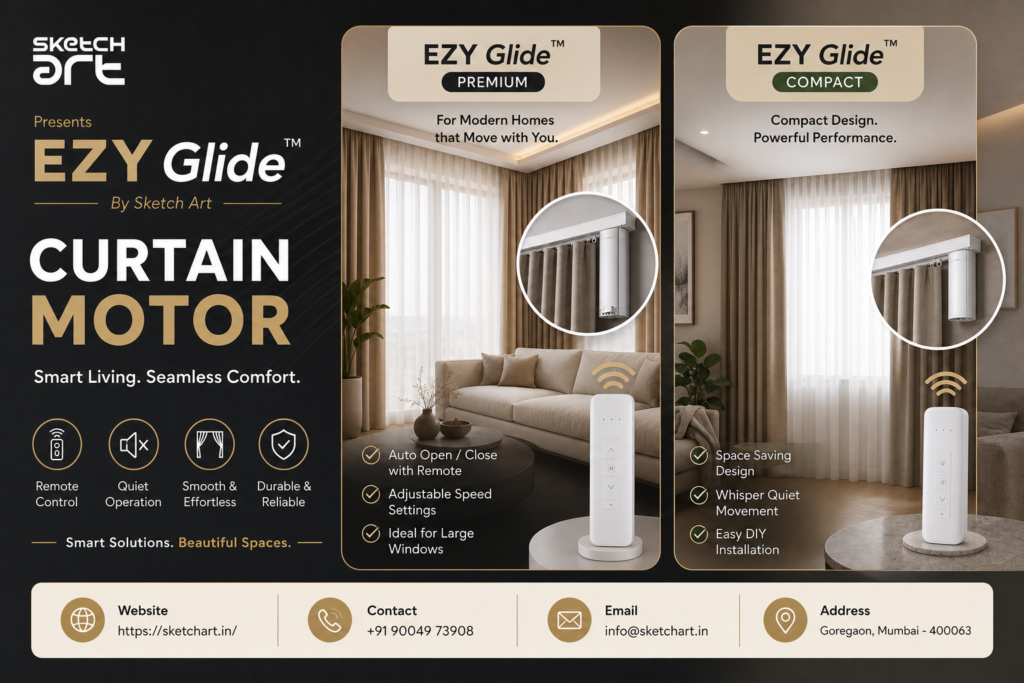
Curtain Motor

What Is the Purpose of a Curtain Motor?

Curtains are an essential part of modern interiors, providing privacy, light control, insulation, and style. However, manually opening and closing curtains can become inconvenient, particularly when windows are large, curtains are heavy, or the windows are difficult to reach. This is where a curtain motor can make a significant difference.

A curtain motor is an electric mechanism designed to automate the opening and closing of curtains. Depending on the system, users can operate curtains using a remote control, wall switch, smartphone app, voice command, or automated schedules. Motorised curtain systems are increasingly being used in homes, offices, hotels, theatres, and other modern spaces because they combine convenience with smart functionality.

Table of Contents

  1. What Is a Curtain Motor?
  2. What Is the Main Purpose of a Curtain Motor?
  3. How Does a Curtain Motor Work?
  4. Key Benefits of Using a Curtain Motor
  5. Types of Curtain Motors
  6. Is a Curtain Motor Worth It?
  7. Curtain Motor vs. Manual Curtains
  8. Where Are Curtain Motors Commonly Used?
  9. What Should You Consider When Choosing a Curtain Motor?
  10. Frequently Asked Questions About Curtain Motors
    • What does a curtain motor do?
    • Are curtain motors suitable for heavy curtains?
    • Can a curtain motor be controlled remotely?
    • Can curtain motors be automated?
    • Are motorised curtains only suitable for luxury homes?
  11. Conclusion

What Is a Curtain Motor?

A curtain motor is the main powered component of a motorised curtain system. It provides the force required to move curtains smoothly along a compatible track or rail.

Instead of manually pulling the fabric, the motor receives a command and drives the curtain across the track. Modern systems can be configured for different curtain weights, window sizes, opening styles, and control requirements.

A typical motorised curtain system consists of:

  • Curtain motor
  • Motorised curtain track or rail
  • Curtain carriers
  • Power supply
  • Remote, wall switch, app, or smart-home controller
  • Optional sensors or automation accessories

The motor essentially replaces the physical effort required to operate the curtains while adding additional control and automation capabilities.

What Is the Main Purpose of a Curtain Motor?

The primary purpose of a curtain motor is to automate curtain movement. Instead of manually opening and closing curtains, users can operate them electronically.

However, its purpose extends beyond simple automation. A well-designed curtain motor can improve:

  • Convenience
  • Accessibility
  • Privacy
  • Light management
  • Interior comfort
  • Smart-home integration
  • Daily routine automation
  • Ease of operation for large or heavy curtains

For homeowners, this means curtains can become part of an automated living environment rather than simply being a manually operated window covering.

How Does a Curtain Motor Work?

The operating principle is relatively straightforward. When a user sends a command, the motor activates and moves the curtain along its track.

For example:

User command → Motor activates → Track moves → Curtain opens or closes

Depending on the system, the command can come from a remote control, wall switch, smartphone application, voice assistant, or automated schedule.

Some smart curtain systems can also be integrated with broader home-automation routines. For example, curtains could be programmed to open at a particular time in the morning and close in the evening.

Modern motorised curtain systems may also incorporate features such as soft starting and stopping, which can help provide smoother curtain movement and reduce abrupt movement.

Key Benefits of Using a Curtain Motor

1. Effortless Curtain Operation

One of the biggest advantages of a curtain motor is convenience. Users do not have to physically walk to the window and pull the curtains.

This is particularly useful for:

  • Large living-room windows
  • Floor-to-ceiling glass
  • Tall windows
  • Heavy curtains
  • Bedrooms
  • Home theatres
  • Hard-to-reach windows

Motorised curtains can be operated from a comfortable position using an appropriate control method.

2. Better Control Over Natural Light

Curtains play an important role in managing daylight. A motorised system makes it easier to adjust curtains throughout the day.

For example, curtains can be opened in the morning to allow natural light into a room and closed later when direct sunlight becomes uncomfortable.

Automated curtain operation can therefore make daily light management more convenient. Smart curtain systems may also support scheduled operation or sensor-based automation, depending on the configuration.

3. Improved Privacy

Privacy is another important purpose of motorised curtains.

Instead of remembering to close curtains manually every evening, users can operate them quickly or configure schedules where supported. This can be especially useful for bedrooms, living rooms, offices, hotels, and properties with large glazed windows.

4. Easier Operation of Heavy Curtains

Large curtains can be difficult to operate manually. Repeated pulling may also place unnecessary strain on curtain fabric, tracks, or accessories.

An appropriately specified curtain motor provides powered operation, simplifying the handling of heavier curtain installations. The motor should always be selected according to the curtain weight, track configuration, and manufacturer’s specifications.

5. Smart-Home Integration

A modern curtain motor can be integrated into a wider smart-home system.

Depending on the motor and control ecosystem, users may be able to operate curtains through:

  • Remote controls
  • Wall switches
  • Smartphone apps
  • Voice assistants
  • Timers and schedules
  • Smart-home automation systems

This allows curtains to work alongside other automated features in a property.

Types of Curtain Motors

Motor Type Best For Key Feature
Battery-powered Renters, easy installs, no wiring needed Simple setup, rechargeable
Hardwired Permanent installations, heavier curtains Continuous power, no recharging
Wi-Fi enabled Smart home users Full app and voice assistant control
Bluetooth-only Single-room or budget setups Local remote/app control, no hub required

Is a Curtain Motor Worth It?

For most homeowners, the purpose of a curtain motor extends well beyond convenience. It’s a practical investment that touches on:

  • Daily comfort – less manual effort, more consistent routines
  • Safety – cordless design, reduced risks for children and pets
  • Security – simulated presence when away from home
  • Energy savings – smarter light and temperature management
  • Accessibility – independence for elderly or mobility-impaired users

Curtain Motor vs. Manual Curtains

Feature Manual Curtains Motorised Curtains
Operation Hand-operated Motor-powered
Remote operation No Available with compatible systems
Smart-home integration Limited Available with compatible systems
Large windows Can require effort Easier to operate
Scheduling No Available with compatible systems
Accessibility Requires physical operation Can provide easier electronic control
Automation No Yes
Daily convenience Basic High

Curtain motor

Where Are Curtain Motors Commonly Used?

Curtain motors are suitable for a wide range of residential and commercial applications.

Homes

They can be used in:

  • Living rooms
  • Bedrooms
  • Dining areas
  • Home theatres
  • Large window areas
  • Villas and apartments

Offices

Motorised curtains can help manage daylight and glare while providing convenient operation for meeting rooms and larger workspaces.

Hotels

Hotels can use motorised curtains to provide guests with a more convenient and modern room experience.

Commercial and Hospitality Spaces

Motorised curtain systems are also suitable for conference rooms, restaurants, showrooms, entertainment spaces, and other areas where large or frequently operated curtains are installed.

What Should You Consider When Choosing a Curtain Motor?

Not every curtain motor is suitable for every curtain installation. Before choosing a system, consider the following factors:

Curtain Weight

The motor should have sufficient capacity for the curtain it needs to move. Curtain weight and track configuration are important considerations when selecting a suitable motor.

Track Length

The size and design of the curtain track can influence motor selection. Long tracks may require a system specifically designed for the installation.

Power Source

Depending on the product, curtain motors may use wired electrical power or other power configurations. Choose according to the installation environment and available infrastructure.

Noise Level

For bedrooms, meeting rooms, theatres, and other quiet environments, smooth and quiet operation can be an important consideration.

Control Options

Decide whether you need remote control, wall-switch operation, smartphone control, voice control, scheduling, or integration with an existing smart-home system.

Manual Operation

If manual operation during certain situations is important, check whether the selected system supports the appropriate manual-control or override functionality.

Curtain Motor

Frequently Asked Questions About Curtain Motors

What does a curtain motor do?

A curtain motor provides powered movement for curtains, allowing them to open and close without manually pulling the fabric.

Are curtain motors suitable for heavy curtains?

Yes, provided the motor and track are correctly specified for the curtain’s weight and configuration. Always check the manufacturer’s load specifications.

Can a curtain motor be controlled remotely?

Many motorised curtain systems support remote controls. Some models can also support app, wall-switch, voice, or smart-home control depending on their features.

Can curtain motors be automated?

Yes. Compatible systems may allow curtains to operate according to schedules or smart-home routines.

Are motorised curtains only suitable for luxury homes?

No. Motorised curtains can be used in apartments, houses, offices, hotels, and commercial spaces. Their suitability depends on the window, curtain, track, motor, and desired level of automation.

Conclusion

The purpose of a curtain motor goes beyond simply opening and closing curtains. It provides powered, convenient, and potentially automated control over window coverings while making large, heavy, or hard-to-reach curtains easier to operate.

With options such as remote control, smart-home integration, scheduling, and electronic operation, motorised curtains can provide a practical upgrade for modern residential and commercial spaces. The key is to choose a motor that matches the curtain weight, track design, power requirements, operating environment, and desired control features.

For customers considering curtain automation, understanding these factors can help ensure a smoother, more reliable, and convenient motorised curtain experience.

Window Curtains

Tips for Creating a Comfortable and Stylish Living Space

Creating a home that feels both comfortable and visually appealing doesn’t always require a complete renovation. Small design choices, proper furniture placement, and carefully selected decor can significantly improve the overall atmosphere of your home. Among the many elements that influence interior design, window curtains play an essential role in enhancing both comfort and style. By combining effectiveness with aesthetics, you can create a living space that is welcoming, practical, and timeless.

A] Choose the Right Window Curtains for Every Room

Selecting ideal window curtains is one of the easiest ways to improve the appearance of any room. Curtains not only provide privacy but also help regulate natural light and contribute to the overall decor. For bedrooms, blackout curtains are ideal for creating a peaceful sleeping environment, while sheer curtains work well in living rooms where natural light is desired.

When choosing curtains, consider the room’s color palette, furniture, and lighting. Neutral-colored curtains create a clean and elegant look, while patterned designs can become an attractive focal point. The right window curtains should complement the existing decor rather than overpower it.

B] Maximize Natural Light

Natural light makes any living space feel brighter, larger, and more inviting. During the day, using sheer window curtains allows sunlight to filter into the room while maintaining a level of privacy. Well-lit spaces not only improve the visual appeal of your home but also create a more comfortable and refreshing environment.

Position furniture in a way that does not block windows, allowing light to spread evenly throughout the room. Combining natural light with appropriate curtains creates a balanced and relaxing atmosphere.

C] Select Comfortable and Functional Furniture

Furniture should offer both comfort and practicality. Before purchasing new pieces, consider the available space and your daily lifestyle. Oversized furniture can make small rooms feel crowded, while compact, multifunctional furniture helps maximize available space.

Arrange seating to encourage conversation and movement, ensuring your living area remains both functional and inviting. Comfortable furniture works best when paired with matching décor elements, including complementary window curtains.

D] Use Colors and Textures Wisely

Color has a significant impact on the overall mood of a room. Soft neutral shades create a calm environment, while carefully selected accent colors add personality without overwhelming the space. Adding different textures through cushions, rugs, throws, and window curtains creates depth and visual interest.

Coordinating curtain fabrics with upholstery or decorative accessories helps achieve a cohesive and stylish interior design.

E] Add Decorative Elements

Decorative accessories complete the look of any living space. Indoor plants introduce freshness, while artwork, decorative mirrors, and stylish lighting fixtures add character to your home. Cushions and area rugs provide additional comfort while enhancing the room’s visual appeal.

Choosing accessories that complement your window curtains creates a balanced design that feels thoughtfully planned rather than cluttered.

F] Keep Your Living Space Organized

An organized home naturally feels more comfortable. Regularly decluttering surfaces and using practical storage solutions helps maintain a clean appearance. Storage baskets, cabinets, and shelving units keep everyday items neatly arranged while preserving valuable floor space.

Maintaining an organized environment allows your furniture, décor, and window curtains to stand out without unnecessary distractions.

Conclusion

Creating a comfortable and stylish living space starts with thoughtful design choices that balance comfort, functionality, and aesthetics. From selecting the right furniture and maximizing natural light to coordinating colors and choosing high-quality window curtains, every element contributes to a warm and inviting home. At Ezy Glide, we understand the importance of well-designed window treatments that enhance both the beauty and practicality of your interiors. With careful planning and the right décor choices, you can create a living space that feels elegant, comfortable, and perfectly suited to your lifestyle.

Service Locations

Where We Are Available

Serving homes, offices and hospitality projects across major Indian cities

Contact Us