
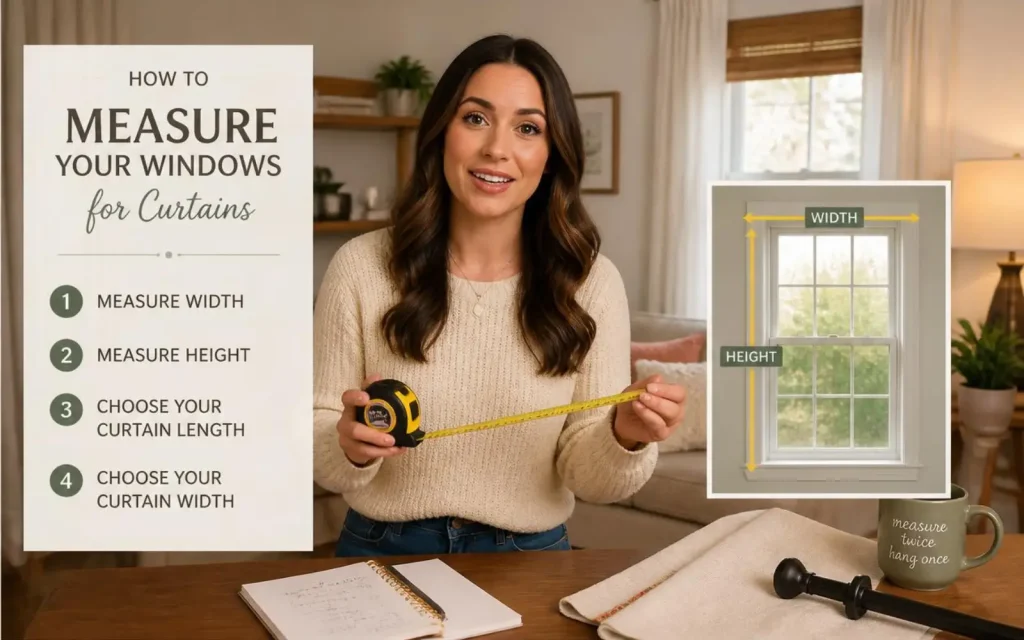
Choosing the perfect Windows For Curtains starts with one essential step measuring your windows correctly. Even the most beautiful curtains can look uneven or fail to provide adequate privacy if the measurements are inaccurate. Whether you’re decorating a new home or replacing old window coverings, taking accurate measurements ensures your curtains fit beautifully and function as intended.
In this guide, we’ll walk you through everything you need to know about measuring Windows For Curtains, from selecting the right curtain rod placement to calculating the ideal curtain width and length.
At Ezyglide, we believe that great window styling begins with precision. This guide walks you through exactly how to measure windows for curtains, so you can order with confidence and achieve a professional look every time.
Before proceeding with the steps, it is important to understand why measuring matters so much:
| Tool | Purpose |
| Steel measuring tape | More accurate than fabric tape for wall measurements |
| Step ladder | To reach curtain rod height safely |
| Pencil and notepad | To record measurements as you go |
| Existing curtain rod (or planned rod) | Needed to measure width and drop accurately |
| A second person (optional) | Helps hold the tape steady for large windows |
Before measuring curtains, install or plan the position of your curtain rod, since all curtain measurements are taken from the rod, not the window frame itself.
General rule of thumb:
Example:
The “drop” is the vertical measurement from the top of the rod (or rings) to wherever you want the curtain to end. This is where most measuring mistakes happen.
| Style | Where It Ends | Best For |
| Sill length | Just at or above the windowsill | Kitchens, bathrooms, casual spaces |
| Apron length | 10–15 cm below the sill | Rooms with radiators or furniture below |
| Floor length | 1–2 cm above the floor | Living rooms, bedrooms — clean, modern look |
| Puddle length | 5–15 cm of fabric pooling on the floor | Formal, dramatic interiors |
Different curtain headers (the top finishing of the curtain) affect how much fabric sits above the hanging point, which slightly changes your visible drop.
If you’re using rings or hooks, always measure from the ring itself, not the rod, for the most accurate drop.
A simple final checklist prevents costly mistakes:
Measuring windows for curtains doesn’t need to be complicated – it simply requires the right order of steps: rod placement first, width second, and length last. With accurate measurements, your windows for curtains will hang beautifully, control light effectively, and elevate the overall look of your room.
At Ezyglide, we’re here to help you find curtains that fit both your windows and your style perfectly. If you’re ready to explore our collection, our range of made-to-measure windows for curtains designed for every room and every budget.
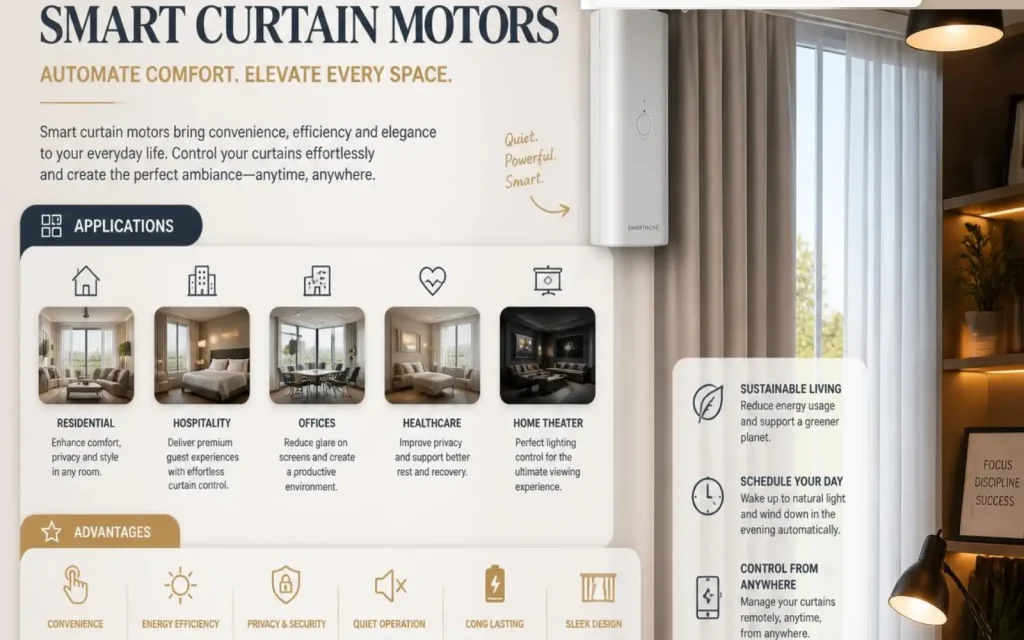
There was a time when opening and closing curtains was simply another part of the daily routine. Today, with smart homes becoming more intuitive than ever, even this small task has become effortless. A simple tap on your smartphone, a voice command, or a scheduled routine is all it takes to let natural light in or create the perfect ambience.
That’s exactly where a curtain motor comes in. More than just an automation upgrade, it transforms your curtains into a smart feature that adds convenience, comfort, and a touch of modern living to your everyday life.
In this guide, we’ll walk you through everything you need to know about curtain motors, from their key features and everyday benefits to the spaces where they make the biggest impact, helping you decide if they’re the right fit for your home or business.
At its core, a curtain motor is an automation system that allows your curtains to open and close without manual effort. Instead of pulling the fabric by hand, the motor does the work for you via a remote control, a wall switch, a mobile app, or even voice commands when connected to a smart home system.
A curtain motor is designed to work smoothly behind the scenes, quietly moving your curtains along a track while maintaining a neat, elegant appearance.
When comparing a curtain motor, focus on features that improve both convenience and performance. A few essentials include:
Schedule your curtains to open with the morning light or close automatically in the evening, creating a more effortless daily routine.
Automating your curtains helps regulate indoor temperatures by controlling sunlight, reducing the need for excessive cooling or heating.
Set your curtains to operate even when you’re away, making your home appear occupied while ensuring privacy whenever needed.
Modern curtain motors are designed to move curtains gently and quietly, making them ideal for bedrooms, living rooms, and workspaces.
Pair your curtain motor with your smart home system to create personalised routines alongside lighting, climate control, and other connected devices.
A curtain motor is a versatile solution that fits seamlessly into a wide range of spaces, making everyday curtain operation simpler and smarter.
When investing in a curtain motor, reliability and ease of use matter just as much as smart features. Ezyglide combines both, offering motors that operate smoothly, quietly, and consistently with minimal effort. From everyday convenience to enhanced comfort, every feature is designed to simplify the way you interact with your space.
Whether you’re looking for added convenience, better privacy, or a modern upgrade for your interiors, Ezyglide offers dependable solutions backed by quality engineering and a commitment to customer satisfaction.
Yes, if they’re compatible with the required curtain track.
No. Quality curtain motors like those from Ezyglide operate smoothly and quietly.
Yes, provided you choose a motor with the right load capacity.
Not at all. It’s designed for simple, everyday operation.
Some models offer manual operation as a backup.
As homes and workplaces continue to become smarter, automating your curtains is a practical step towards greater comfort and convenience. A curtain motor not only simplifies your daily routine but also enhances the way you experience your space, one effortless movement at a time.
Whether you’re upgrading a single room or planning a complete smart home setup, Ezyglide offers dependable curtain motor solutions that combine innovation, quality, and ease of use. It’s a smarter way to bring convenience into every corner of your space.
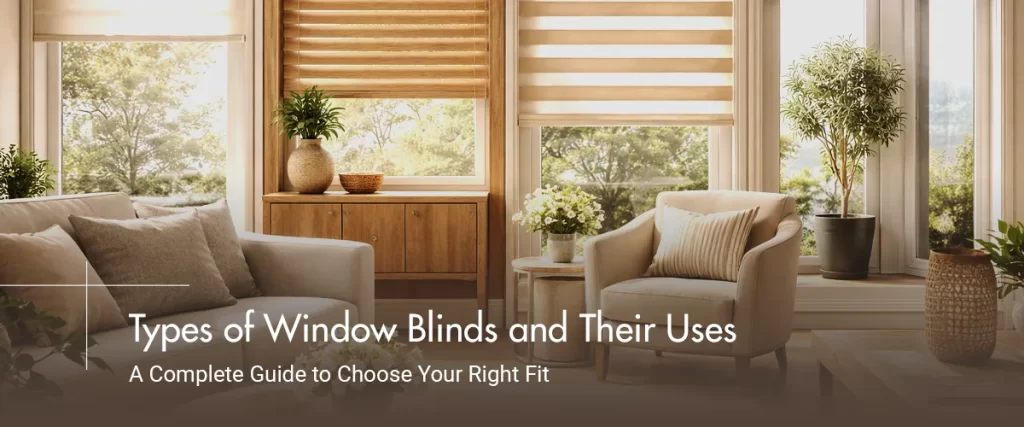
Light shapes how a space breathes. A window becomes the point where privacy and openness meet. At Sketch Art, a blind isn’t just a fixture. It is an intentional choice that supports your daily rhythm, from the light of dawn to the calm of dusk.
To help you choose with confidence, we’ve created this guide to window blinds types, what they do best, and where they belong in your space: naturally, warmly and seamlessly.
Window blinds are systems where material and mechanism work together, shaping form, movement, and function. The blind family is quite diverse; from rollers to slatted, vertical to foldable, each moves differently and feels different in a room.
Window blinds materials range from warm wood and soft textiles to sleek aluminium and durable vinyl. Material defines character and longevity. These materials respond uniquely to daily use and environmental conditions. Operating styles such as tilting, lifting, stacking, or folding provide intuitive control and effortless interaction. The combination of material, form, and movement gives each blind its identity and purpose within a space.
Roller window blinds use a single, streamlined mechanism. The fabric you choose defines performance, privacy, and how the light lands in the room. Because the system is minimal, the material becomes the design. It shapes softness, enables control, and creates visual presence.
Roller window blinds are low maintenance; they control visuals and maintain symmetry. While being motorisation-friendly, they are also easy to use, making them a refined, versatile choice for modern interiors.
Venetian blinds use horizontal slats that tilt smoothly, giving you precise control throughout the day. Their linear rhythm enhances the architectural feel of the space while staying flexible for use. Wooden Venetian blinds add warmth and natural texture, and work beautifully in living rooms and studies. Aluminium and faux-wood options are more moisture-resistant, making them practical for offices, kitchens, and high-use spaces.
Venetian blinds feel timeless because of their clean, linear, layered form. Subtle adjustments alter the room’s feel quickly. The slats add visual depth and gentle insulation. The result is a composed, aesthetic yet functional system that works across versatile interior selections.
Triple shade blinds feature fabric vanes suspended between two sheer layers, allowing a blend of rolling and tilting movement. This layered construction softens incoming daylight while offering refined control. Standard variants create a gentle, diffused glow, while light-dimming options provide enhanced privacy and comfort as light conditions shift.
The design intent behind triple shade blinds is elegant versatility. The softness of sheer fabrics pairs seamlessly with the precision of adjustable vanes, creating a balanced system that adapts naturally through the day. Well suited to bedrooms and living areas, they support changing daylight and privacy needs with quiet sophistication and ease.
Cellular honeycomb blinds use a honeycomb structure that traps air in discreet pockets. This helps moderate temperature and gently filter light. Light-filtering options create an even glow. Blackout and day–night versions add adaptable control as privacy needs shift.
Cellular window blinds prioritise comfort quietly. Their minimal look recedes into the window line while supporting thermal comfort and a softer acoustic feel. Ideal for bedrooms, home offices, and climate-sensitive spaces, they create a space that is comfortable through the day.
All-weather blinds are designed to withstand open and semi-open areas while still matching the visual language of the interiors. Roller Blinds and Sun Screen blinds variants soften glare and reduce heat, so daylight stays comfortable and usable. Zip and guided systems add stability and enclosure, so the blind stays smooth even with shifting wind and weather. The Fabric is chosen for resilience, with finishes that stand the test of time.
The intent is continuity between indoors and outdoors. They extend comfort beyond the wall, so balconies, patios, and verandahs feel like true living spaces.
Their clean finish preserves architectural clarity while offering protection, shade, and ease. The result is an outdoor space that feels composed, functional, and integrated.
At Sketch Art, every blind is customised with attention to the elements that matter in daily living:
This ensures every blind feels intentional, cohesive, and made for the way the space is lived in.
Here is a simple way to translate intent into a blind choice that holds up over time:
Motorised and smart window blinds bring ease and precision to daily life:
These features turn blinds and curtains into responsive parts of the home. The experience feels calmer, safer, and more effortless.
Each blind shapes light, privacy, and the character of a room. The right choice brings comfort, focus, and calm throughout the day.
The right choice considers climate, window orientation, and how the space is used.
At Sketch Art, we help you choose blinds that stay beautiful and perform well over time. Intentional choices make daily living easier. If you want help choosing for your home or commercial space, you can contact us with design-led guidance, crucial technical and material knowledge, with a focus on performance that stands the test of time.
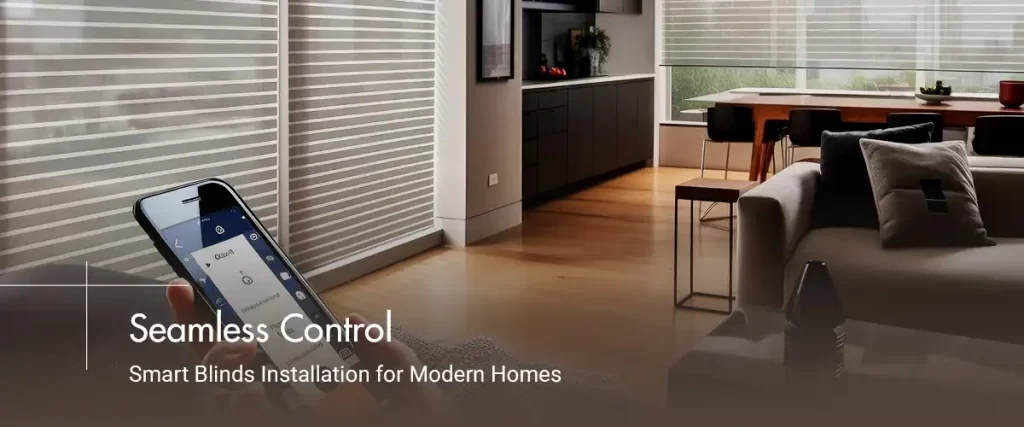
Light enters a space quietly. A soft amber glow against the glass. It settles across the floor and warms the grain beneath. As the day shifts, this light changes in intensity and direction. What feels gentle in the morning can become sharp by afternoon, altering how the room is experienced.
Modern living requires a delicate balance between openness and seclusion. Motorised blinds provide a seamless solution for this environmental shift. They allow you to soften the impact of harsh rays without losing out on the real view. It is this marriage of smart control and intuitive design that allows a space to remain composed. This guide explores how automated shading systems can elevate the experience of modern interiors.
The engineering behind a motorised system is defined by what you do not see. It involves a sophisticated network of quiet movements and responsive interfaces. These elements work together to create an atmosphere of effortless ease.
Check our window blinds that combine quiet engineering with intelligent automation.
Light changes gradually, but its effect on a space is immediate. A soft glow can turn sharp, shifting both comfort and clarity within the room. Motorised blinds are not merely functional tools; they are instruments of comfort. By automating the movement of light, you can create a balanced and harmonious environment in your home.
Check our all-weather blinds that are engineered to withstand strong sunlight.
Beyond the ease of use, motorisation allows you to focus on the pure design element by prioritising architectural clarity. With automated systems, you also get access to a cleaner silhouette.
Read this blog to know about the different types of window blinds Sketch Art offers.
The beauty of a motorised blind is found in its precise installation. When a blind hangs exactly parallel to the window frame, it creates a sense of order. Achieving this requires a proper understanding of the architectural space. Precision installation of motorised blinds provides the ideal bridge between a product and finished design.
Light settles into a space before anything else is noticed. It moves across surfaces, shaping depth, tone, and the overall feel of the room. Through automation, designers can shape the mood of a space to meet your precise rhythm, allowing for a dynamic interaction between the architecture and the inhabitants.
Light defines how a space is experienced. From the softness of morning to the intensity of midday, its movement shapes comfort and clarity. Motorised blinds allow this light to be adjusted with precision. The space remains balanced, with each transition feeling measured and unobtrusive. At Sketch Art, systems are designed to align with how spaces are used and lived in. The result is an environment that feels composed, responsive, and quietly integrated into daily life. Contact us to explore how an intentional move can bring a lasting sense of composure to your space.
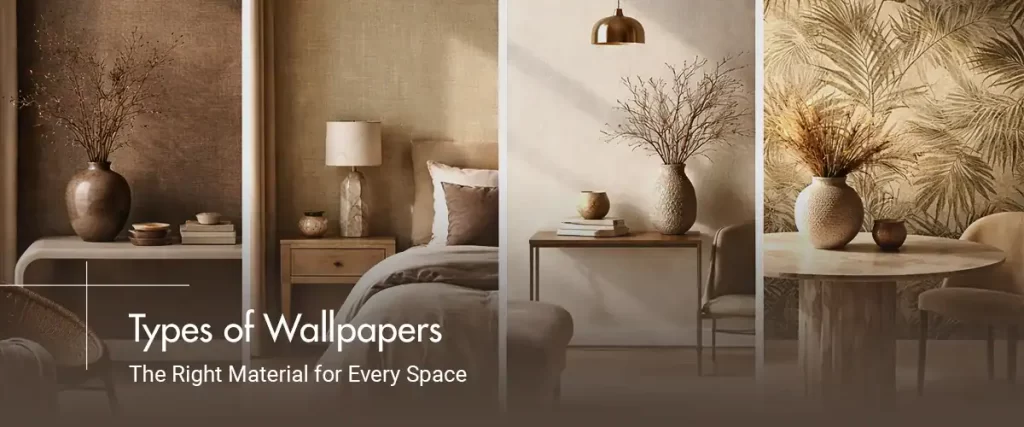
Wallpapers are not simply applied; they are experienced. They shape the way light rests on a surface, how a room feels at different hours, and how quietly a space holds you through everyday moments. A wall becomes more than a backdrop; it becomes a tactile presence, subtle yet intentional.
Material choice defines this experience. It influences comfort, longevity, and the atmosphere a space carries over time. When chosen with care, wallpaper brings together texture, artistry, and performance, creating interiors that feel effortless and composed.
Wallpapers are engineered surface solutions where material and design work together to shape how a space feels and functions. Beyond pattern and colour, their composition determines texture, durability, and the way light settles across a wall. A surface is not just seen; it is experienced over time.
Understanding wallpaper begins with two layers. The first is material: what the wallpaper is made of. Vinyl, fabric-backed, and non-woven materials each respond differently to climate, touch, and daily use. The second is design expression—how the surface presents itself through texture, print, or dimensional depth.
When these layers align with purpose, walls feel effortless and considered. Thoughtful curation unites craftsmanship, material integrity, and refined finishes. Each wallpaper integrates seamlessly into the rhythm of a space and ages with quiet grace.
Every space carries an intention, and material is what translates that intent into lived experience. A bedroom calls for softness and calm. A kitchen needs resilience and ease. A workspace benefits from clarity and balance.
Material affects how light settles, how surfaces respond to touch, and how well they adapt to climate and daily use. Texture adds warmth, durability supports longevity, and breathability and finish influence comfort. These qualities matter as much as visual appeal.
When material is chosen thoughtfully, walls feel natural, elevated, and quietly supportive. The result is a space that performs beautifully while remaining timeless and balanced.
Wallpapers can be understood through their material, each offering unique qualities and applications:
Vinyl-backed wallpaper is chosen for spaces where durability and longevity matter. Designed for high-use environments, it performs consistently across hospitality, commercial, and active living spaces. Its surface withstands moisture, frequent cleaning, and daily wear with ease. Beyond performance, refined finishes and subtle textures add clarity and restraint.
Craftsmanship remains central, even within a practical material. When selected thoughtfully, it delivers a polished presence that integrates seamlessly into demanding spaces.
Fabric-backed wallpapers bring the softness of natural textiles to interior surfaces. Linen, silk, cotton, and velvet add tactile depth and visual warmth. Light is absorbed gently, creating calm, intimate spaces. Best suited for low-traffic areas, these wallpapers excel in environments where design is unhurried. Professional installation allows the material to settle beautifully. With mindful care, they age gracefully, reflecting a clear and lasting aesthetic intent.
Non-woven wallpapers balance structure with ease. Their stable, breathable composition creates smooth, composed surfaces. Installation is clean and considered, supporting spaces that evolve over time. Ideal for contemporary homes and flexible commercial interiors, they maintain a crisp appearance through daily use. This material choice feels intelligent and current, offering quiet confidence while allowing design ideas to move freely.
Self-print wallpapers express design through pattern rather than material alone. The same motif can be applied across different surfaces, allowing visual language to remain consistent while performance adapts to the space. Repetition creates rhythm and guides the eye with calm continuity. These wallpapers work well in interiors that seek balance and immersion. When used thoughtfully, self-print designs bring coherence to rooms, connecting walls into a unified experience that feels serene and intentional.
Depth, dimension, and tactile presence come alive in textured wallpapers. Their surfaces interact with light throughout the day, creating subtle shifts of shadow and movement. The wall becomes expressive and experiential. Craft-led installation ensures precision and alignment with the design intent. Used most often as feature walls, these wallpapers add richness to hospitality spaces, lounges, and contemplative interiors. They add a sensory layer that feels curated, artistic, and quietly powerful.
Accent wallpapers define focal points and guide attention through the space. Used selectively, they introduce emphasis and visual interest. A single wall, niche, or transition point becomes a considered design moment. These wallpapers support zoning and architectural storytelling by guiding movement and attention. When placed with intent, they elevate primary surfaces and bring clarity to the interior. Accent wallpapers work best as thoughtful interruptions that are measured, expressive, and precise.
Choosing wallpaper thoughtfully begins with considering key aspects of the space and design intent:
Surface selection is a considered design decision. Each collection is shaped by intent, performance, and aesthetic presence. Materials are chosen for how they look, feel, and endure within a space. The range reflects a broad design perspective, grounded in quality and integrity. Thoughtful curation brings clarity to choice, guiding designers and homeowners toward surfaces that align seamlessly with their vision.
Each wallpaper material carries a distinct design intention, shaping the look, feel, and rhythm of a space. Walls do more than enclose; they define how interiors function, how light and texture are experienced, and how spaces evolve over time. At Sketch Art, thoughtful curation ensures each choice aligns with purpose and aesthetic clarity. Explore our curated collections or book a consultation to discover how walls can transform your interiors. For personalised guidance, contact us and let us help bring your design vision to life with intention and craft.
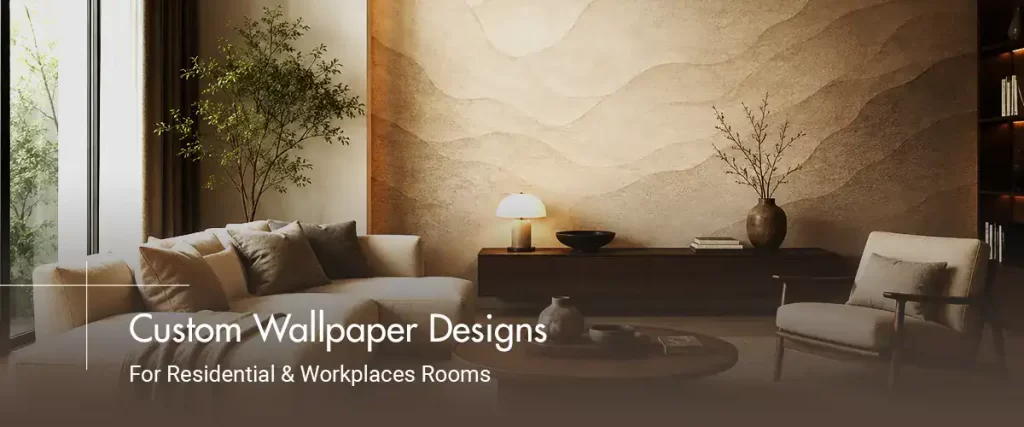
The subtle morning light reveals a quiet texture that often softens by evening. Selecting surfaces thoughtfully allows you to balance both visual depth and a sense of calm. Through customisation, you can create a cohesive system where no element feels isolated, focusing on adapting to your lifestyle rather than following a fixed set of rules.
At Sketch Art, we provide luxury interior surface solutions designed to align with the rhythm of your daily life. Be it customised wallpapers for office walls or living rooms, our solutions go beyond basic execution. When each surface is integrated with clear alignment and precise installation, you’ll witness a natural consistency emerging across your entire space. This article explores how custom wallpapers can beautifully balance high performance with quiet aesthetic expression.
Custom wallpaper designs require consideration in relation to the light, material and other architectural elements in your space. The interplay of finishes determines how a surface transforms throughout the day:
Elevate your space with our custom art interior solutions that showcase your unique individuality.
Light plays a key role in bringing out finer textures. A wallpaper design for your home should ideally make you feel grounded and comfortable, as it acts as a quiet anchor that supports stillness without making its presence feel too strong.
The power of an anchor lies in its stability. Instead of combining multiple elements, a single point of grounding can be focused upon, choosing tones that naturally melt into your existing colour palette.
Your bedroom should be a sanctuary that gently holds the transition between daily activity and deep rest. The use of custom wallpaper designs here helps to soften your space without commanding attention. The aim is to create a space that feels present but does not cause distraction.
The wallpapers for your office walls should foster a sense of psychological clarity and organisation, focusing on ease of movement that helps navigate different zones in your workplace. With the right wallpaper, you will be able to support a steady workflow and sustain comfort through long hours of intense visual focus.
A custom wallpaper is never a static visual element. You’ll likely notice subtle changes as you go through your day. Here are some factors that can help you choose wallpapers aligned with your space:
Discover how custom print wallpapers can transform your space with these creative ideas.
The design intent behind any custom wallpaper starts with understanding what human experience the space is meant to support. This could be rest, focus, or vibrant social interaction. Ultimately, it becomes less about surface aesthetics and more about spatial direction. By mastering soft transition, the intent can be easily shifted towards clarity and control. A clear hold on contrast can ensure that your interior remains visually consistent rather than reacting unpredictably to changing light. Scale management also allows your walls to have a natural balance and avoid visual tension. With proper design intent, your space feels organically integrated rather than merely decorated.
Custom print wallpapers are more than surface decor. They allow your space to feel visually balanced. Beyond generic application, they allow for multiple elements to come together in a unified composition. In residential spaces, these allow for a daily sense of comfort, while in office spaces, they lean towards structure and clarity. Factors such as light, material, finish, scale and design play a critical role in maintaining a strong visual presence. At Sketch Art, all our wallpapers are designed with this level of consideration. Rather than chasing loud self-expression, we believe in the quiet power of intentionally composed spaces. Contact us if you’re looking for custom-printed wallpapers that are part of a system that balances softness, order and visual harmony.